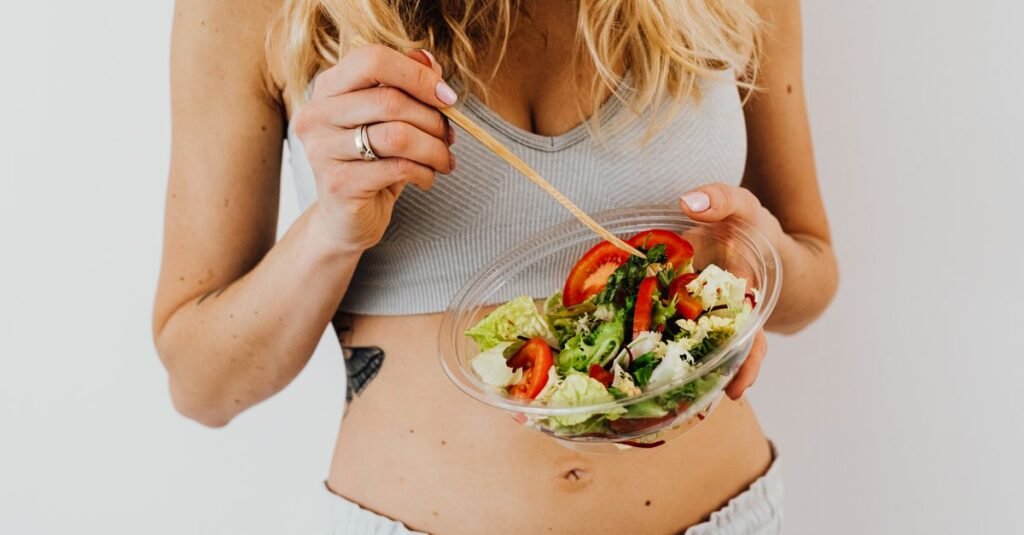
A weight loss diet chart for breastfeeding mothers needs a smaller calorie deficit than typical adult weight loss (since breastfeeding itself requires an additional 300-500 calories daily above pre-pregnancy maintenance), with continued emphasis on protein, iron, and calcium to support both milk production and your own recovery.
I’m Yash Pathak, founder and lead trainer at FitStrot. Weight loss during breastfeeding needs a gentler approach than most standard diet charts assume, and getting the balance right protects both your milk supply and your own energy.
Why Breastfeeding Changes the Calorie Math
Producing breast milk requires meaningful additional energy — commonly estimated at 300-500 extra calories daily above your pre-pregnancy maintenance level. A weight-loss deficit needs to be calculated on top of this higher baseline, not your original pre-pregnancy maintenance number. This is a common mistake: using a standard calorie calculator without accounting for breastfeeding needs often results in too aggressive a deficit, which can affect both milk supply and your own energy and recovery.
A Reasonable Approach to the Deficit
Rather than a standard 500-700 calorie deficit, a more appropriate target during breastfeeding is typically 300-400 calories below your breastfeeding-adjusted maintenance level — gentler, but still enough to support gradual, sustainable weight loss without risking milk supply or excessive fatigue.
A Sample Full-Day Chart With Approximate Protein
This is a template rather than a prescription, built around ordinary Indian home cooking and roughly 1,800-2,000 calories for an exclusively breastfeeding mother in a mild deficit. Adjust portions to your own hunger, your baby’s feeding pattern and any advice from your doctor.
| Meal | Example foods | Approximate protein |
|---|---|---|
| Early morning | Soaked almonds, a glass of water, optional milk or tea | 3-4 g |
| Breakfast | 2 moong dal chillas with curd, or vegetable poha with a boiled egg | 15-18 g |
| Mid-morning | 1 fruit with a handful of roasted chana or peanuts | 6-8 g |
| Lunch | 2 rotis, 1 katori dal, 1 katori sabzi, 1 katori curd, salad | 18-22 g |
| Evening | Paneer or sprouts chaat with tea, or a besan cheela | 10-14 g |
| Dinner | 1-2 rotis or a small portion of rice with rajma, chicken or fish, plus a vegetable | 20-25 g |
| Before bed | Warm milk, or curd if milk does not suit you | 6-8 g |
Totalled up, this lands near 80-95 g of protein, which supports both recovery and milk production while still allowing gentle fat loss. If your supply dips, your energy crashes, or you were advised a specific diet after delivery, raise the portions and speak to your doctor or a lactation consultant before cutting further.
Diet Chart Structure
Breakfast: A protein-rich option — moong dal chilla, eggs, or oats with milk and nuts (20-25g protein, supporting both your needs and milk production).
Mid-morning: Fruit and a small handful of nuts, since breastfeeding increases hunger and nutrient needs meaningfully above baseline.
Lunch: One roti or a moderate portion of rice, dal or a protein source, a generous portion of vegetables, and curd.
Evening: A glass of milk, buttermilk, or roasted chana — maintaining consistent nutrient intake across the day supports steady energy.
Dinner: Lighter than lunch but still adequate — protein and vegetables, portioned carbohydrates, avoiding excessive restriction given the added energy demands of breastfeeding.
Before bed (if needed): A small snack if genuinely hungry — nighttime feeds can increase hunger, and restricting food during this period isn’t advisable.
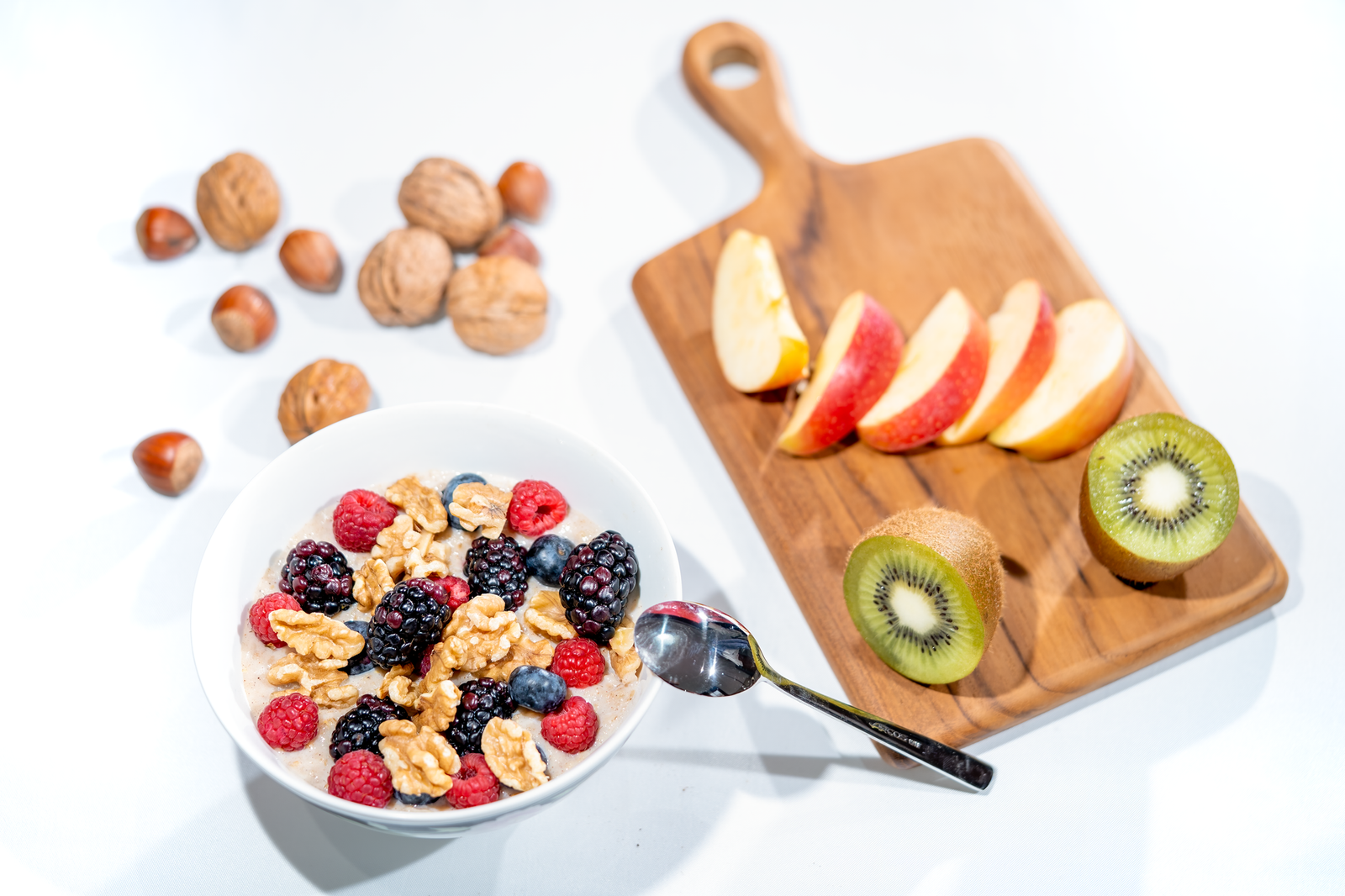
Nutrients That Need Particular Attention
Protein. Supports both milk production and your own tissue recovery — aim for consistent protein across meals rather than concentrated in one.
Calcium. Breastfeeding draws on your calcium stores for milk production; dairy, leafy greens, and calcium-rich foods help offset this.
Iron. Especially important if blood loss during delivery was significant; leafy greens, dal, and iron-rich foods paired with vitamin C support replenishment.
Hydration. Fluid needs increase notably during breastfeeding — aim for consistent water intake throughout the day, not just when thirsty, since thirst can lag behind actual need during this period.
DHA and omega-3s. Support both your health and the baby’s development through breast milk — fish (if included in your diet), walnuts, and flaxseeds are useful sources.
Key Nutrients and Where to Get Them in an Indian Kitchen
Breastfeeding raises the requirement for several nutrients at exactly the time when meals are most rushed, so it helps to know which foods do the heavy lifting.
| Nutrient | Why it matters while breastfeeding | Everyday Indian sources |
|---|---|---|
| Protein | Supports tissue repair after delivery and protects lean mass in a deficit | Dal, rajma, chana, paneer, curd, eggs, chicken, fish |
| Calcium | Milk production draws on maternal stores if intake is low | Milk, curd, paneer, ragi, sesame seeds, green leafy vegetables |
| Iron | Replenishes stores depleted by pregnancy and delivery blood loss | Palak, methi, bajra, jaggery, dates, chicken liver, rajma |
| Vitamin B12 | Passes into breast milk and is commonly low in vegetarian diets | Milk, curd, paneer, eggs, fish, or a supplement if advised |
| Vitamin D | Widely low in Indian adults and important for calcium use | Sunlight, fortified milk, eggs, plus supplementation if prescribed |
| Omega-3 fats | Contribute to infant brain and eye development via breast milk | Flaxseed, walnuts, fatty fish such as rohu or mackerel |
| Fluids | Milk is mostly water, and mild dehydration shows up as fatigue fast | Water, buttermilk, coconut water, nimbu pani, soups |
Food first is the sensible default, but iron, B12 and vitamin D are the three where Indian mothers most often need a supplement as well. Do not start or stop any supplement on your own while breastfeeding, since dosing should come from your doctor based on your reports.
What to Avoid During This Period
Severe calorie restriction (below your breastfeeding-adjusted needs), which risks reduced milk supply and excessive fatigue. Rapid weight loss diets or fasting protocols, which aren’t appropriate during breastfeeding. And excessive caffeine, which passes into breast milk in small amounts — moderate intake (1-2 cups of tea or coffee daily) is generally considered acceptable, but check with your doctor for specific guidance.
Setting Realistic Expectations
Weight loss during breastfeeding is often slower than standard timelines, and that’s an appropriate trade-off for protecting milk supply and your own recovery. Many mothers find weight loss becomes somewhat easier once breastfeeding frequency naturally decreases (as the baby starts solids or nurses less often), which is a normal part of the process rather than a sign the diet chart isn’t working.
When to Involve Your Doctor
If milk supply seems to decrease after starting a weight-loss diet, or if you’re experiencing excessive fatigue, it’s worth reviewing your calorie intake with your doctor or a lactation consultant — this may indicate the deficit is too aggressive for your specific needs at this stage.
Related Guidance
Our diet chart for weight loss after C-section and rapid weight loss after pregnancy guides cover related postpartum considerations if either applies to your situation.
Why Guided Support Helps During Breastfeeding
Calorie needs during breastfeeding are highly individual, depending on how often and how much you’re nursing, alongside your own recovery status. An online weight loss trainer experienced with postpartum and breastfeeding clients can calculate an appropriate deficit and adjust it as your breastfeeding pattern and needs change over time.
Balancing Milk Supply With Weight Loss Goals
Breastfeeding itself burns additional calories (typically 300-500 daily), which is why aggressive calorie restriction during this period risks reducing milk supply — a genuine concern that should take priority over rapid weight loss in the early months. A moderate approach — eating to satisfy hunger with nutrient-dense whole foods, staying well hydrated, and allowing gradual rather than rapid weight loss — tends to support both adequate milk supply and steady progress toward your pre-pregnancy weight without the tradeoff that overly aggressive dieting creates during this specific window.
Hydration and Its Underrated Role in Both Milk Supply and Weight Loss
Diet charts get most of the attention, but I have seen breastfeeding mothers unknowingly work against both their milk supply and their weight loss goals by simply not drinking enough water. Producing breast milk requires a significant amount of fluid, and if intake falls short, the body prioritizes milk production over everything else, sometimes leaving you dehydrated, fatigued, and more likely to mistake thirst for hunger.
A reasonable target for most breastfeeding mothers is somewhere between three and three and a half litres of fluid a day, though this should be adjusted based on your doctor’s guidance, especially if you have any kidney or heart-related conditions. This does not need to be plain water alone. Coconut water, buttermilk or chaas, diluted fruit juices without added sugar, and clear soups all count and add variety, which matters when you are exhausted and plain water feels like a chore to keep track of.
Mild dehydration is one of the most common reasons for the false hunger many new mothers describe, feeling hungry again shortly after a full meal. Keeping a large bottle within reach wherever you feed your baby, since feeding sessions happen many times a day and are a natural reminder to sip water, is a simple habit that solves this more often than people expect. It also tends to reduce the mid-afternoon energy crashes that push many mothers toward biscuits or sugary tea for a quick lift.
One caution: while adequate hydration supports milk supply, drinking excessive amounts in a short period does not increase supply further and can dilute your intake of other nutrients if it replaces meals rather than supplementing them. Steady sipping through the day works better than trying to gulp down litres in one sitting.

Practical Meal Prep Strategies for the Sleep-Deprived New Mother
A diet chart is only useful if you can actually follow it on three hours of broken sleep with a newborn who needs you every couple of hours. This is where most postpartum diet plans fall apart in real life, not because the food choices are wrong, but because nobody accounts for how little time and energy is left to prepare them.
Batch cooking during whatever windows of energy you do have makes a real difference. A large pot of dal made every two to three days, a stock of boiled eggs kept in the fridge, and pre-washed, pre-cut vegetables ready to toss into a quick sabzi remove the biggest barrier, which is decision fatigue at the exact moment you are too tired to cook from scratch. Many of my clients keep a batch of homemade protein-rich ladoos, made with foxnuts or makhana, dry fruits, and a little jaggery, as a grab-and-go option that beats reaching for packaged biscuits during a 2 AM feed.
Involving family in specific, defined tasks rather than vague help also matters enormously in the Indian household context, where grandparents or in-laws are often around during this period. Asking someone to specifically handle chopping vegetables for the week, or to keep a flask of warm water or soup ready near your feeding spot, is more useful than a general offer to help that never quite turns into anything concrete.
Finally, give yourself permission to keep meals simple on the hardest days. A bowl of curd rice with a boiled egg and some sautéed greens is a perfectly balanced meal even though it takes ten minutes to put together. The goal during this period is consistency good enough to sustain both you and your baby, not an elaborate diet chart followed to the letter every single day.
A Weekly Prep Sequence That Survives a Newborn
Run through this order once a week, ideally when someone else can hold the baby for an hour, and most weekday meals stop needing decisions.
- Soak and boil a large batch of chana, rajma or sprouts, then refrigerate in portions for three to four days.
- Make a base gravy of onion, tomato and ginger-garlic that can turn into dal, paneer or chicken in minutes.
- Chop and store vegetables for two days at a time so any sabzi is a ten-minute job.
- Set a large bowl of curd, and keep buttermilk ready for the afternoon slump.
- Prepare a dry mix for moong dal chilla or besan cheela so breakfast needs only water and a pan.
- Portion out nuts, roasted chana and dates into small containers for one-handed feeding-time snacks.
- Keep a filled water bottle at every place you usually nurse, so hydration does not depend on remembering.
Navigating Traditional Postpartum Foods Like Gond Ladoo and Ghee Without Derailing Your Goals
Almost every new mother I coach in India is dealing with the same pressure at home: a mother or mother-in-law insisting on gond ke ladoo, panjiri, methi laddoo loaded with edible gum and ghee, and daily doses of saunth ka halwa, all in the name of recovery and milk supply. I want to be clear that these foods are not the enemy, and dismissing them outright usually creates family friction that adds more stress than it solves. The real issue is quantity and frequency, not the existence of these foods on your plate.
A single gond ladoo can carry 150 to 200 calories, mostly from ghee and jaggery, and many new mothers are handed two or three a day alongside regular meals, plus a glass of turmeric milk with extra ghee at night. That can quietly add 500 to 700 calories on top of an already sufficient diet, which is where the stall happens even though everything looks like healthy home food. My advice is not to eliminate these, but to treat them as one planned addition a day rather than a running snack, and to ask the family to reduce the ghee quantity in the ladoo recipe itself, which most cooks are happy to do once you explain why.
There is also real nutritional value here worth keeping. Gond and til provide calcium and healthy fats, ajwain and saunth support digestion, and dry fruits in panjiri add iron, all genuinely useful in the postpartum period. So rather than fighting the tradition, I usually suggest working with your family cook to make a lighter batch, using less ghee and jaggery, and treating it as your mid-morning or evening snack instead of an addition on top of full meals. This keeps the emotional and cultural value of the food intact while fixing the calorie math.
If you are breastfeeding and your family is insistent on these foods for milk supply, it helps to know that milk production responds far more to feeding frequency and hydration than to ghee intake specifically. You can reassure them that you are eating well while quietly managing portions, and that tends to resolve the tension better than an outright refusal ever does.
Frequently Asked Questions
How does a weight loss diet chart for breastfeeding mothers work?
It works through a modest calorie deficit (300-400 calories) calculated on top of your breastfeeding-adjusted maintenance calories (which include an additional 300-500 calories for milk production), with continued emphasis on protein, calcium, and iron.
Is dieting safe while breastfeeding?
Yes, when the deficit is modest and doesn’t drop below your breastfeeding-adjusted calorie needs. Severe restriction can affect milk supply and your own energy, and is not recommended.
How long does weight loss take while breastfeeding?
Typically slower than standard timelines, given the smaller appropriate deficit — many mothers see gradual, steady loss over several months rather than rapid short-term change.
Can I follow a weight loss diet chart immediately after starting to breastfeed?
It’s generally advisable to establish a stable milk supply first (often the first 6-8 weeks) before introducing a structured calorie deficit, though normal, balanced eating throughout is appropriate from the start.
Ready for a Diet Chart That Protects Your Milk Supply?
A FitStrot online weight loss trainer builds a gentle, appropriate deficit calculated for your breastfeeding needs, adjusting it as your nursing pattern changes over time.