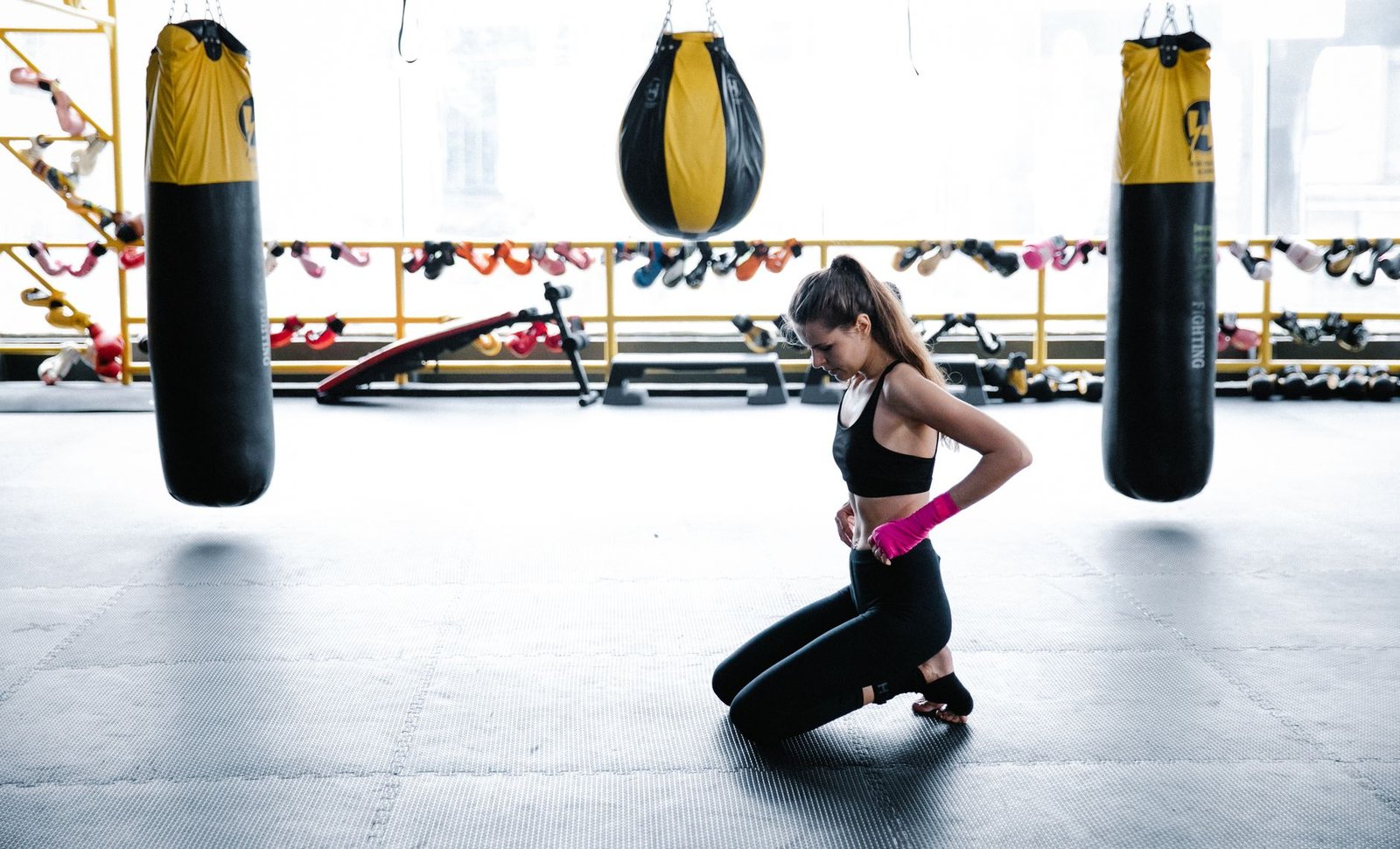
Strength training is particularly effective for PCOS-related weight loss because it improves insulin sensitivity independently of weight loss itself — directly addressing the underlying insulin resistance that drives most PCOS weight gain, rather than just burning calories the way cardio alone does. A combination of 2-3 strength sessions and 2-3 cardio sessions weekly tends to outperform cardio-only routines for this specific condition.
I’m Yash Pathak, founder and lead trainer at FitStrot. Exercise recommendations for PCOS often default to generic cardio advice, missing why strength training deserves particular emphasis for this specific condition.
Why Standard Exercise Advice Falls Short for PCOS
Most PCOS presentations involve some degree of insulin resistance — cells respond less efficiently to insulin, prompting the body to produce more of it, which promotes fat storage and makes weight loss harder even with consistent effort. Cardio alone burns calories but doesn’t address this underlying mechanism as directly as building muscle does. Muscle tissue is more insulin-sensitive than fat tissue, meaning more muscle mass genuinely improves how efficiently your body manages blood sugar and insulin — a mechanism-level benefit that cardio doesn’t provide to the same degree.
Strength Training for PCOS
Why it matters specifically here. Building muscle improves insulin sensitivity, which directly targets the root cause of PCOS-related weight resistance, not just the symptom of excess weight.
A reasonable starting structure. 2-3 sessions weekly, focusing on compound movements (squats, deadlifts, presses, rows) that engage multiple muscle groups simultaneously, building strength efficiently.
Progression matters. Gradually increasing resistance or repetitions over weeks continues to challenge muscles and support ongoing insulin sensitivity improvements — a routine that never progresses eventually plateaus in its benefits.
Cardio for PCOS
Cardio still plays a valuable role — supporting the calorie deficit, cardiovascular health, and mood, all relevant given that PCOS is also associated with higher rates of anxiety and depression for some women. Moderate-intensity cardio (brisk walking, cycling, swimming) 2-3 times weekly, rather than exclusively high-intensity training, tends to be more sustainable and doesn’t add excessive cortisol stress, which can work against insulin sensitivity if training intensity is consistently very high.
Why Excessive High-Intensity Training Can Backfire
This is a nuance often missed: while some cardio and intensity is beneficial, very frequent high-intensity training can elevate cortisol, which in some cases worsens insulin resistance rather than improving it — particularly relevant for a condition already involving hormonal sensitivity. A balanced approach (moderate cardio, consistent strength training, adequate recovery) tends to outperform an aggressive, high-intensity-only routine for PCOS specifically.
A Sample Weekly Structure
Monday: Strength training (full body, compound movements). Tuesday: Moderate cardio (30-40 minutes walking or cycling). Wednesday: Strength training. Thursday: Rest or gentle yoga. Friday: Strength training. Saturday: Moderate cardio or a mixed session. Sunday: Rest.
Other Exercise Considerations for PCOS
Consistency matters more than intensity. Given that PCOS-related weight loss often moves more slowly than typical timelines, a sustainable routine you can maintain for months matters more than an aggressive short-term push that risks burnout.
Stress management alongside exercise. Since cortisol affects insulin resistance, incorporating some form of stress-reducing activity (yoga, walking, adequate rest between intense sessions) supports the exercise plan’s effectiveness rather than working against it.
Sleep and recovery. Poor sleep worsens insulin resistance and cortisol regulation — adequate recovery between training sessions and 7+ hours of sleep support the exercise plan’s actual effectiveness.
Combining Exercise With Diet for PCOS
Exercise alone, even well-structured strength training, works best combined with a diet that also addresses insulin sensitivity — low glycemic carbohydrates, consistent protein, and reduced refined sugar. Our PCOD diet chart for weight loss and PCOS weight loss in 1 month guides cover the dietary side of this combined approach in depth.
Why Progress May Be Slower Than Expected
Even with a well-structured strength and cardio routine, PCOS-related weight loss often takes longer to show visible results than typical weight-loss timelines, since improving insulin sensitivity through exercise happens gradually. Sticking with a consistent routine past the first month, rather than switching approaches when results feel slow, tends to be the better strategy.
Why Guided Support Helps With PCOS Specifically
PCOS varies significantly in presentation and severity between individuals, and an exercise plan calibrated to your specific symptoms and insulin response outperforms a generic routine. An online weight loss trainer can build and adjust a PCOS-focused exercise plan based on how your body actually responds over the following weeks and months.
Why Exercise Matters More for PCOS Than General Weight Loss
Exercise, particularly strength training and moderate-intensity cardio, has a specific benefit for PCOS beyond calorie burn: it improves insulin sensitivity, which is central to managing PCOS symptoms for many women, sometimes independent of weight change itself. This is part of why exercise is emphasized more strongly in PCOS-specific guidance than in general weight-loss advice — the metabolic benefit matters as much as, or more than, the calorie deficit it contributes to. Strength training 3-4 times weekly combined with moderate cardio tends to outperform cardio-only routines specifically for PCOS-related outcomes like insulin sensitivity and hormonal balance.
How Your Menstrual Cycle Should Shape Your Weekly Training
Women with PCOS often have cycles that are irregular, longer, or unpredictable, which makes it tempting to ignore cycle-based training altogether. But even with an irregular cycle, paying attention to how you feel in different phases, rather than forcing the same intensity every single week, tends to produce better adherence and, over time, better results.
In the days when energy and strength typically feel higher, often in the first half of a cycle for women who do ovulate, heavier strength training sessions tend to feel more manageable and recovery tends to be quicker. This is a reasonable window to push your working weights or add an extra set, provided your doctor has not flagged any reason to avoid higher intensity training.
In the days leading up to and during a period, many women with PCOS report more fatigue, joint discomfort, and lower tolerance for intense cardio. This is not the time to force a personal best on the treadmill. Shifting toward walking, gentle strength work, or restorative yoga during these days is not a step backward, it is what allows you to train consistently across the month instead of alternating between hard pushes and skipped weeks.
If your cycle is too irregular to track phases reliably, the simplest alternative is to let daily energy and joint comfort guide your intensity rather than the calendar. Please note: discuss any significant changes in energy, pain, or bleeding patterns with your gynecologist, since these details matter for how your PCOS is being managed medically, separate from how we structure your training.
The Role of Sleep and Stress Recovery in PCOS Exercise Results
I have had clients with PCOS who trained diligently, ate carefully, and still saw results stall, and in a large number of these cases, poor sleep or chronically high stress turned out to be the missing piece. PCOS is already associated with disrupted cortisol and insulin patterns, and poor sleep compounds both, making the exercise and diet changes you are working hard on less effective than they should be.
Sleeping fewer than six hours a night is linked to higher insulin resistance and increased hunger hormones the next day, which for someone with PCOS can mean stronger cravings and a harder time sticking to a training plan simply from lack of energy. If you are waking up at 5 AM for a workout but sleeping past midnight scrolling on your phone, the deficit you are creating at the gym is being partially cancelled out by what is happening, or not happening, at night.
Overtraining without adequate recovery days also raises cortisol, which for PCOS specifically can work against the goal of improving insulin sensitivity. Two or three full rest days a week, real rest rather than another light activity, are not optional extras, they are part of the exercise prescription for PCOS, even if that feels counterintuitive when your goal is weight loss.
Simple, practical steps that help most clients: a consistent sleep and wake time even on weekends, keeping screens away for thirty minutes before bed, and treating one rest day a week as genuinely non-negotiable. None of this replaces medical management of PCOS, and any persistent sleep disturbance or excessive fatigue should be discussed with your doctor, but for many women, fixing sleep quietly unlocks progress that months of harder training could not.
Why the Scale May Not Move Even When Your PCOS Training Is Working
I get this message almost every week from a client three or four weeks into a new PCOS training plan: I am doing everything you said, I have not missed a session, but the scale has barely moved. This is one of the most common frustrations in PCOS training, and it is rarely a sign that the plan has failed. PCOS bodies retain water and shift fluid in response to cortisol, insulin spikes, and where you are in your cycle, sometimes by 1 to 2 kilograms in either direction within a single week. Add in early muscle gain from strength training, which is denser than fat, and you can genuinely be losing fat while the scale number stays flat or even ticks up slightly.
What I ask clients to track instead is a small set of markers that move earlier and more honestly than body weight. Waist circumference, measured at the navel first thing in the morning, is the single best indicator I use, because visceral fat around the midsection is usually the first to respond to consistent training in PCOS. Alongside that, I look at how a specific pair of jeans or formal trousers fits, how many pushups or squats a client can do without stopping compared to week one, and whether periods that were 45 to 60 days apart are starting to arrive closer to 35 to 40 days. These changes show up two to four weeks before the scale reflects anything meaningful.
One client I trained earlier this year did strength and walking four times a week for eight weeks. Her weight moved from 78 kg to 76.8 kg, barely over a kilo, and she was ready to give up. But her waist had gone from 96 cm to 91.5 cm, she was holding a plank for 90 seconds instead of 30, and her cycle, which used to skip months entirely, had shown up twice in that period. That is a body that is changing meaningfully, even if the scale is telling a slower, muddier story.
The practical takeaway is to stop weighing yourself daily if it is discouraging you, and instead do a monthly measurement check with photos, waist tape, and a simple strength log. Give the plan a minimum of six to eight weeks before judging it by the scale alone. If none of these markers are moving after two months of consistent training and reasonable eating, that is the point to reassess the plan, not before.
Frequently Asked Questions
What type of exercise is best for PCOS weight loss?
A combination of strength training (2-3 sessions weekly, which improves insulin sensitivity) and moderate cardio (2-3 sessions weekly) tends to outperform cardio-only routines for PCOS specifically.
Is high-intensity exercise good or bad for PCOS?
Some intensity is beneficial, but excessive high-intensity training can elevate cortisol and potentially worsen insulin resistance for some women with PCOS — a balanced approach with adequate recovery tends to work better than maximizing intensity constantly.
How long does exercise take to show results for PCOS weight loss?
Often slower than standard timelines — many women notice improved energy and reduced symptoms within 4-6 weeks, with more visible weight changes typically over 8-12 weeks of consistent training.
Can beginners start exercising for PCOS weight loss?
Yes, starting with 2-3 sessions weekly of moderate strength training and cardio, building up gradually, is both safe and effective for beginners managing PCOS.
Ready for an Exercise Plan Built Around Your PCOS Profile?
A FitStrot online weight loss trainer builds a strength and cardio routine calibrated to your specific PCOS symptoms and insulin response, adjusting it as your body responds.