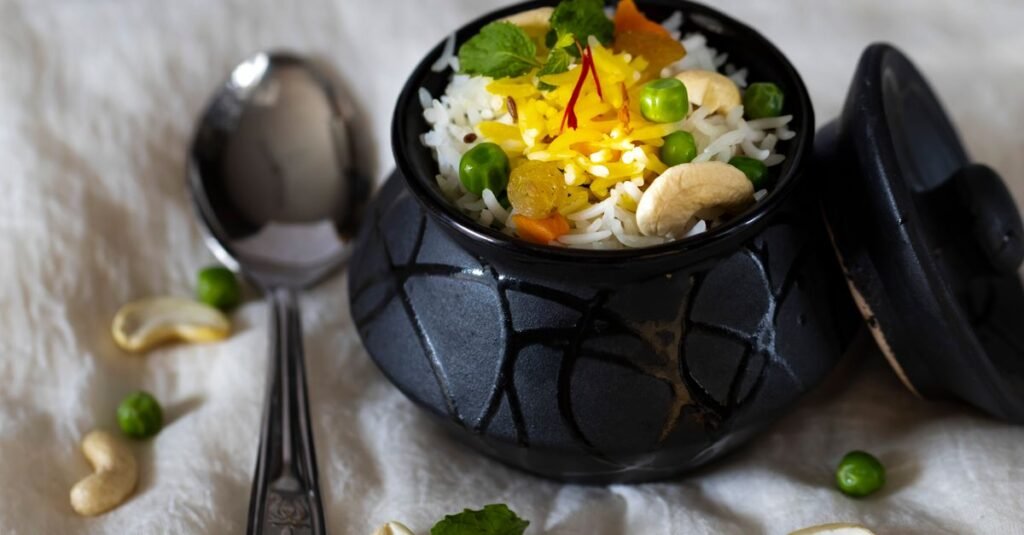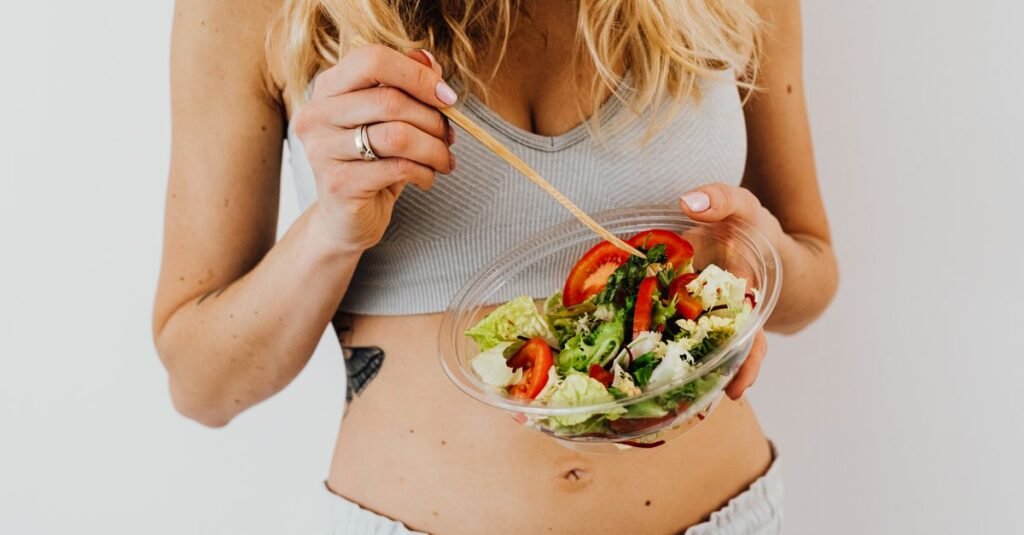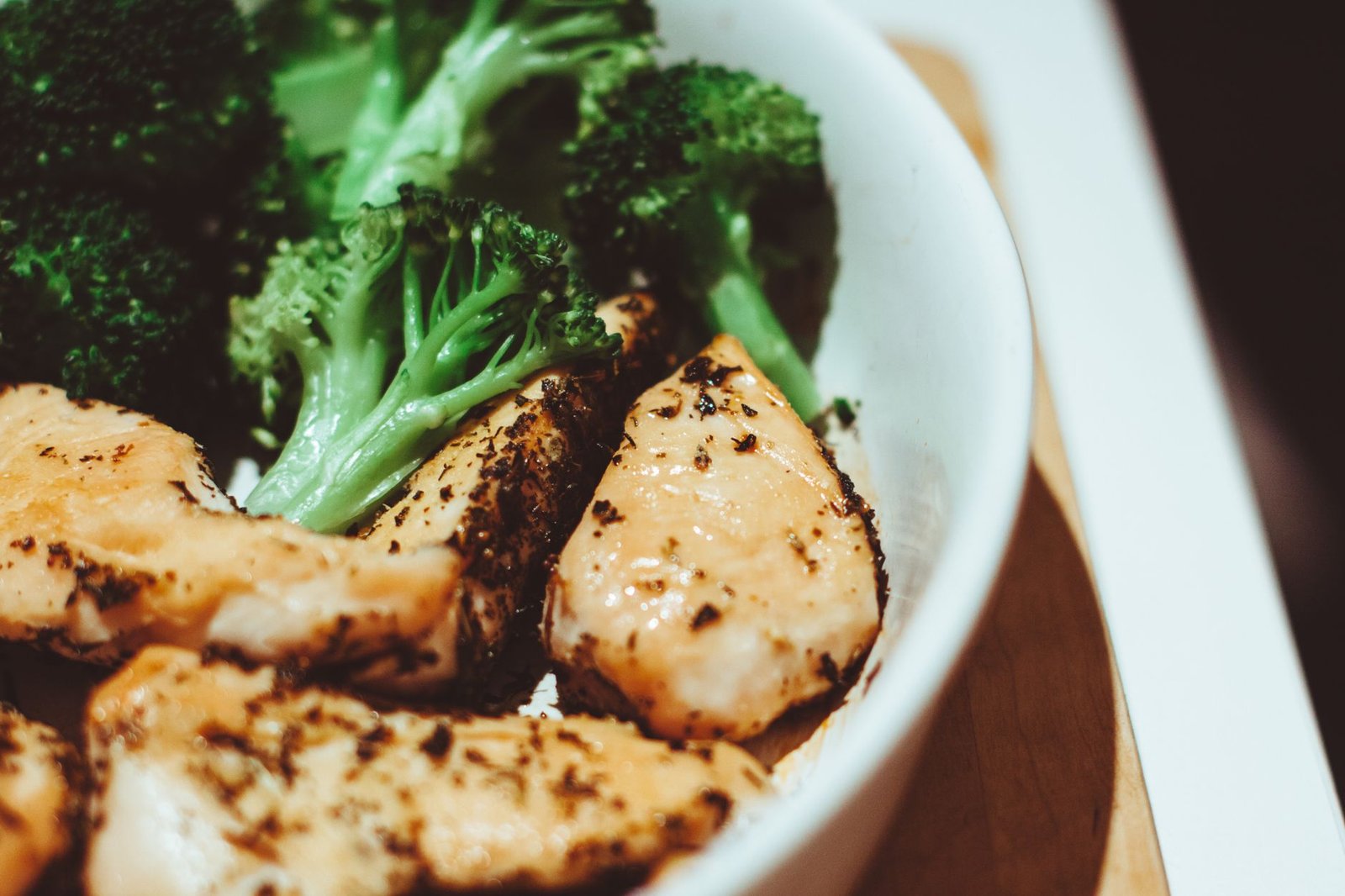
A PCOS weight loss diet prioritizes low glycemic index carbohydrates, consistent protein at every meal, and anti-inflammatory foods to manage the insulin resistance that drives most PCOS-related weight gain — a fundamentally different focus than a standard calorie-deficit diet, which addresses calories but not the underlying hormonal and metabolic factors specific to PCOS.
I’m Yash Pathak, founder and lead trainer at FitStrot. This diet framework specifically addresses the insulin resistance mechanism behind PCOS weight gain, which is why it differs meaningfully from generic weight-loss advice.
Why Standard Calorie-Counting Diets Underperform for PCOS
Most women with PCOS have some degree of insulin resistance, meaning cells respond less efficiently to insulin, and the body compensates by producing more of it. Elevated insulin promotes fat storage, particularly around the abdomen, and makes fat loss harder even within a calorie deficit that would work well for someone without this hormonal pattern. A diet that only addresses calories, without also managing blood sugar and insulin response, typically produces slower, less consistent results for PCOS specifically.
Core Principles
Low glycemic index carbohydrates. Foods that raise blood sugar more slowly — millets (ragi, jowar, bajra), brown rice, whole grains, and legumes — instead of refined carbohydrates like white rice, maida, and sugar, which cause sharper insulin spikes.
Protein at every meal. Slows glucose absorption, supports satiety, and helps manage the hunger and energy swings associated with insulin resistance. Dal, paneer, eggs, sprouts, and lean protein sources should be present at each meal, not concentrated in just one.
Anti-inflammatory fats. Nuts, seeds (particularly flax and chia), and cold-pressed oils in moderation support hormone regulation; reducing refined, reheated, and heavily processed oils.
Consistent meal timing. Long gaps between meals cause blood sugar dips, which trigger cravings and often lead to overeating later — 4-5 smaller, balanced meals tend to work better than 2 large ones for managing this pattern.
Fibre-rich foods. Vegetables, particularly leafy greens and cruciferous vegetables, slow digestion, support gut health, and help with the bloating many women with PCOS experience.
A Sample Day
Breakfast: Vegetable moong dal chilla with a side of curd (protein and fibre-forward, low glycemic impact). Mid-morning: A small handful of nuts or seeds. Lunch: One roti (millet-based if possible), a bowl of dal, a generous portion of sabzi, and salad. Evening: Green tea with roasted chana. Dinner: Grilled paneer or fish with sautéed vegetables, kept light and eaten earlier in the evening.
Foods to Minimise
Refined sugar and sugary beverages, white bread and maida-based snacks, excessive caffeine (which can affect cortisol and blood sugar regulation), and heavily processed packaged foods. None of these require complete elimination — the focus is on making them the exception rather than a daily default, which is more sustainable than an all-or-nothing approach.
Supplements Sometimes Discussed for PCOS
Some research explores inositol, omega-3 fatty acids, and vitamin D in relation to insulin sensitivity and PCOS symptoms, though the evidence and appropriate dosing vary, and this is genuinely a conversation to have with your doctor rather than something to self-prescribe based on general information. Diet and lifestyle changes remain the foundation, with any supplementation as a potential addition under medical guidance, not a replacement for the dietary approach outlined above.
Why Movement Still Matters Alongside Diet
Diet alone often has a smaller effect on PCOS-related weight gain than the combination of diet and exercise, particularly strength training, which improves insulin sensitivity independently of weight loss itself. A diet-only approach tends to produce slower results than one that pairs these dietary principles with consistent, appropriate exercise. Our exercise for PCOS weight loss guide covers this exercise component specifically.
Why This Diet Looks Different From Person to Person
PCOS presentations vary considerably — some women are more insulin-resistant, others deal more with inflammation or androgen-related symptoms — meaning the same general framework needs individual calibration in portion sizes, specific food choices, and calorie targets. Our PCOD diet chart for weight loss and PCOS weight loss in 1 month guides offer related structured approaches worth comparing to your specific situation.
Why Personalized Guidance Improves Outcomes
Because PCOD symptoms and severity vary so much between individuals, a diet calibrated to your specific insulin response and symptom profile tends to outperform a generic PCOS diet applied without adjustment. An online weight loss trainer can build and revise this diet based on how your body actually responds over the following weeks and months.
Long-Term Management, Not a Short-Term Fix
PCOS is a chronic hormonal condition, which means the diet approach that helps manage it works best as an ongoing pattern rather than a temporary diet you follow until you hit a goal weight and then abandon. Many women with PCOS find their symptoms (irregular cycles, acne, hair changes) improve alongside weight loss but can partially return if the underlying low-glycemic, protein-forward eating pattern is dropped — this is worth knowing upfront so the diet is approached as a sustainable long-term shift in how you eat, not a short-term project with a defined end point.
Meal Timing and Whether Intermittent Fasting Helps or Hurts PCOS
Intermittent fasting comes up in nearly every conversation I have with clients managing PCOS, usually because they have seen it recommended online as a quick fix for insulin resistance. The honest answer is that it can help some women and can genuinely backfire for others, and the difference usually comes down to how their body already handles stress and blood sugar.
For some women with PCOS, a moderate eating window, say ten to twelve hours, with a reasonably early dinner, can improve how the body handles insulin overnight and reduce late-evening snacking driven by boredom rather than hunger. This is a fairly gentle version of fasting and tends to be well tolerated.
Aggressive fasting protocols, extending fasting windows to sixteen hours or longer, or skipping meals entirely for a day, are a different story. PCOS is already associated with a body that is more sensitive to stress signals, and prolonged fasting can raise cortisol, which works directly against the insulin sensitivity you are trying to improve. I have seen clients with PCOS follow strict fasting windows and end up with worse energy, disrupted cycles, and stronger cravings rather than better results.
My general guidance: start with the gentler version, a consistent, moderate eating window with regular, balanced meals rather than long stretches without food, and pay close attention to how your energy, sleep, and cycle respond over four to six weeks. If you notice your periods becoming more irregular or your energy consistently dropping, that is a signal to ease off, and given how individual this response is with PCOS, discussing any significant dietary change with your doctor or a dietitian familiar with PCOS is worthwhile before committing to a strict protocol.
Navigating Festivals, Weddings, and Eating Out Without Losing Progress
A PCOS diet that only works when every meal is home-cooked and perfectly planned is not realistic for most people living in India, where festivals, weddings, and family gatherings built around food happen throughout the year. Diwali sweets, wedding season buffets, and the steady stream of get-togethers are not occasional exceptions, they are a regular part of life, and any diet plan that does not account for them is setting you up to feel like you have failed every few weeks.
The approach that works best is not strict avoidance but deliberate choices. At a wedding buffet, this might mean filling half your plate with the paneer, grilled tandoori items, or dal-based dishes first, having a modest portion of rice or naan rather than skipping carbohydrates entirely, and genuinely enjoying one dessert rather than either denying yourself completely or sampling everything on the table out of a feeling that you will not get to eat like this again soon.
During Diwali or other festival periods, rather than trying to avoid mithai altogether, which rarely works and often leads to a bigger binge later, having a small portion of one or two favourites, mindfully, alongside your regular meals rather than on top of them, tends to be far more sustainable across a two-week festival stretch than an all-or-nothing approach.
What matters most for PCOS specifically is not any single meal but the pattern across weeks and months. One wedding dinner or one plate of Diwali sweets will not undo consistent progress. What does undo progress is treating every social occasion for an entire season as a reason to abandon the diet altogether, only to feel guilty and restrict harshly afterward, since that swing between overindulgence and harsh restriction is particularly disruptive to the insulin and hormone balance PCOS management depends on.
PCOS Diet Myths I Hear Constantly From Clients
Some of the most persistent obstacles I see in PCOS coaching are not bad food choices, they are confident, well-meaning misinformation that clients arrive with, often picked up from Instagram reels or well-intentioned relatives. Untangling these myths usually does more for progress than any specific meal plan change, so it is worth addressing the ones I hear most often directly.
The first is that rice is uniquely bad for PCOS and must be replaced entirely with millets or quinoa. Rice itself is not the problem, portion and pairing are. A cup of white rice eaten alone will spike blood sugar faster than the same cup eaten with dal, a vegetable, and a source of fat like ghee or curd, because protein, fibre, and fat all slow glucose absorption. I have clients with PCOS who eat rice daily and manage their symptoms well simply by never eating it in isolation. The second myth is that dairy must be cut out completely because of hormone content. For most women with PCOS, moderate dairy, a glass of milk or a bowl of curd daily, is not the problem, and cutting it entirely often just removes a convenient protein and calcium source without any measurable benefit, unless a specific sensitivity has been identified.
A third myth I hear constantly is that any sugar at all will worsen PCOS irreversibly, which leads to a kind of fear around food that is more damaging than the occasional dessert itself. Sharing one gulab jamun at a family function is not going to undo two months of consistent eating. What actually matters is the daily baseline, not the occasional exception, and treating every small deviation as a catastrophe often triggers the binge-restrict cycle that is far worse for PCOS than the sugar itself would have been. The fourth myth, and one of the most expensive, is that a specific supplement or superfood, whether it is inositol, cinnamon capsules, or a particular imported protein powder, will fix PCOS on its own without any change to daily eating. Supplements can support a plan, they cannot replace one.
The pattern across all of these myths is the same: they turn a manageable, flexible condition into a minefield of rules, which increases stress, and stress itself worsens insulin resistance in PCOS. My advice is almost always to simplify rather than add more restrictions, focus on protein at each meal, fibre-rich vegetables, and consistent meal timing, and let go of the idea that any single food eaten in reasonable amounts is capable of derailing months of progress.
Frequently Asked Questions
What foods should I eat on a PCOS weight loss diet?
Low glycemic carbohydrates (millets, whole grains), protein at every meal (dal, paneer, eggs), anti-inflammatory fats (nuts, seeds), and fibre-rich vegetables — this combination manages insulin resistance more directly than a calorie-only approach.
Is a PCOS weight loss diet safe?
Yes, when it maintains balanced macronutrients and avoids extreme restriction, which can actually worsen hormonal imbalance. This diet focuses on food quality and timing rather than severe calorie cutting.
How long does a PCOS weight loss diet take to show results?
Typically slower than standard weight-loss timelines — most women notice improved energy and reduced bloating within 3-4 weeks, with measurable weight changes often over 8-12 weeks as insulin sensitivity improves.
Can beginners follow a PCOS weight loss diet?
Yes, the framework uses familiar foods with ingredient swaps (millets instead of rice, for example) rather than requiring an entirely new way of eating, making it accessible for beginners.
Ready for a PCOS Diet Calibrated to Your Body?
A FitStrot online weight loss trainer builds a diet plan around your specific PCOS symptoms and insulin response, adjusting it as your body responds over time.