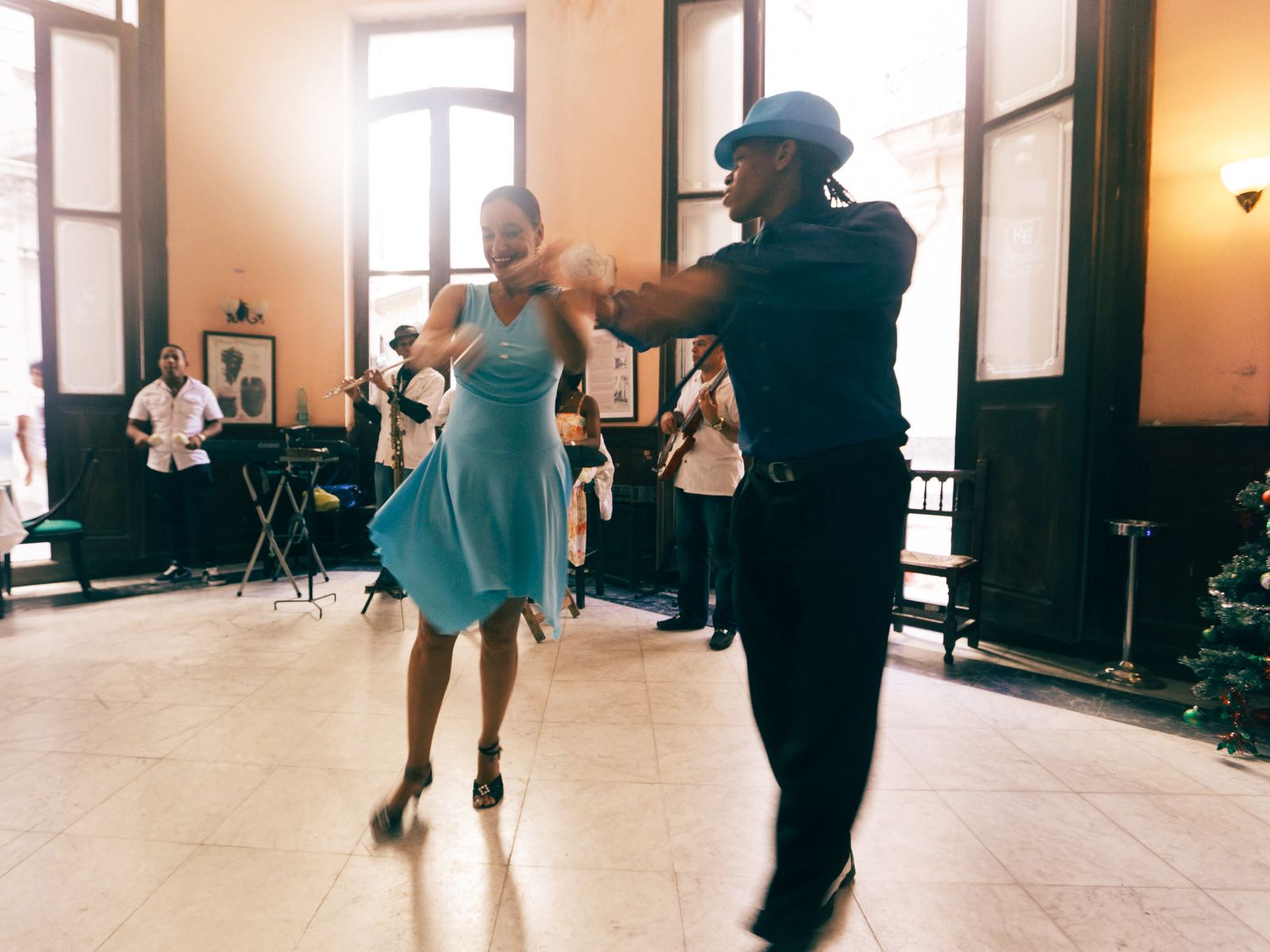
Merengue is widely considered the most beginner-friendly of Zumba’s four core rhythms, thanks to its fast, simple, equally-accented beat running roughly 120 to 160 beats per minute. The basic steps, marching in place and easy side-to-side movement, are straightforward enough to pick up immediately, which is exactly why instructors frequently use merengue to open a class and build early momentum before introducing more technically demanding rhythms.
Here’s where merengue comes from, the basic steps that define it in Zumba, and why it works so well as an entry point for newcomers.
Where Merengue Comes From
Merengue originated in the Dominican Republic, specifically tracing back to the rural northern valley region around the city of Santiago known as the Cibao. The genre is characterized by a fast tempo paired with simple, repetitive rhythms and melodies, features that translated naturally into an accessible dance style once Zumba adopted it as one of its foundational rhythms.
The Basic Merengue Steps Used in Zumba
Marches form the most fundamental merengue movement in Zumba, stepping in place with feet close together or apart, usually layered with simple arm movements to add upper body engagement. The two-step, moving side to side, in any direction including diagonally or in a goalpost pattern, builds on the march with a slightly larger movement, and instructors add complexity here through squats, dips, twists, and varied arm styling. The Beto shuffle, named after Zumba founder Beto Pérez, is a signature merengue-based step that’s become a recognizable part of the format’s basic vocabulary.
Why Merengue Works So Well for Beginners
The core reason merengue is easier than salsa or reggaeton comes down to its rhythmic structure. Every beat carries an equal, heavy accent, with no syncopation to track, which means your feet can simply match the beat directly rather than needing to anticipate off-beat timing. This predictability lets new Zumba-goers focus on building confidence and getting comfortable moving in a group setting before they’re asked to handle more complex rhythmic patterns.
It also makes merengue an efficient warm-up rhythm. The straightforward footwork lets your body ease into movement and elevate heart rate gradually, rather than jumping straight into technically demanding choreography cold.
How Merengue Compares to Zumba’s Other Core Rhythms
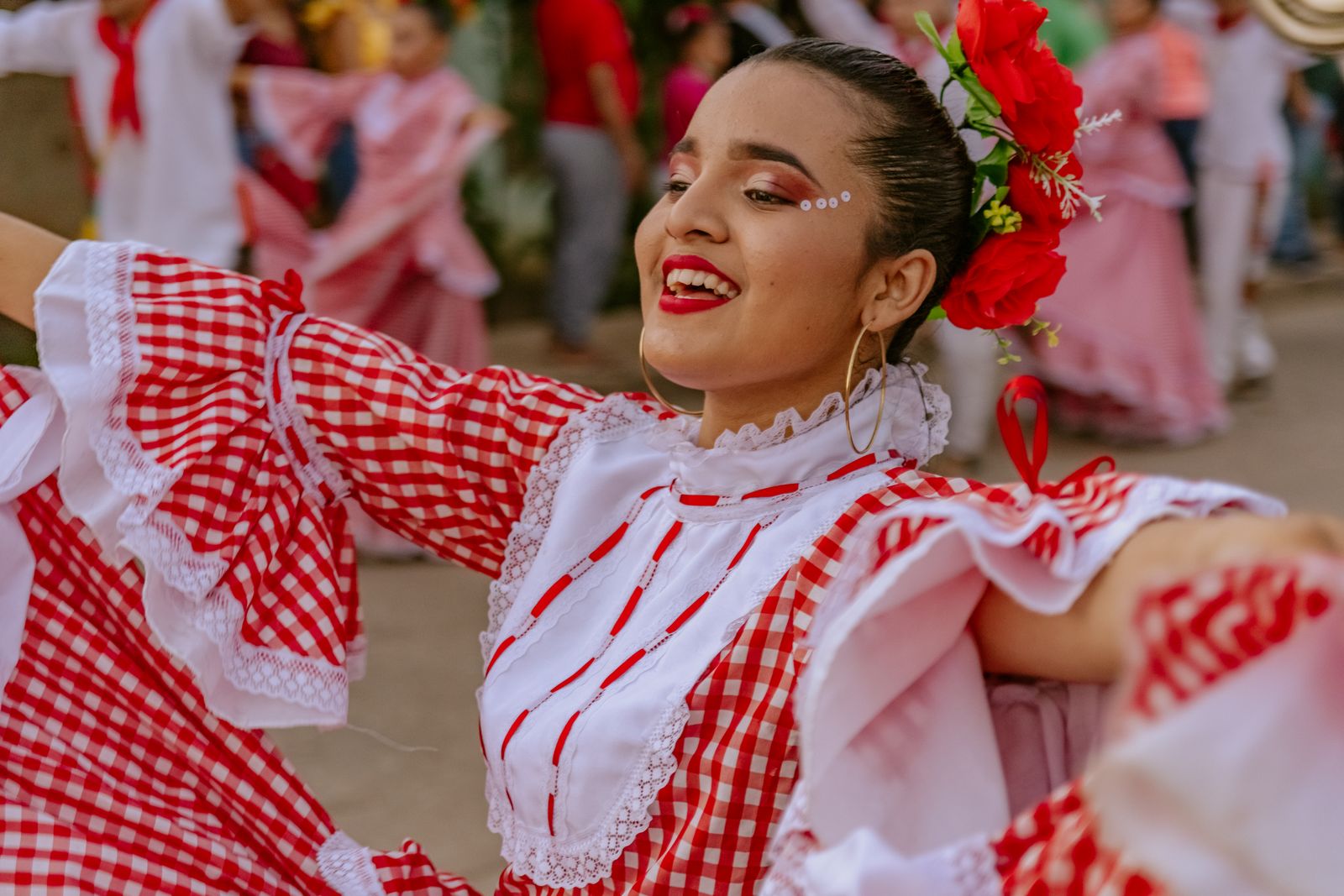
Salsa’s syncopated timing requires more precise footwork than merengue’s even beat, making salsa segments feel more technically demanding at a similar tempo. Our salsa in Zumba guide covers that comparison in more depth. Reggaeton brings a heavier, hip-driven intensity that’s typically introduced once a class has built up energy through earlier merengue and salsa segments, rather than at the very start. Cumbia has a more grounded, forward-and-back movement quality, distinct from merengue’s in-place marching and side-stepping pattern.
How Merengue Fits Into a Full Class
Understanding merengue’s role helps explain why classes are structured the way they are. Our Zumba rhythms explained guide covers how instructors typically sequence all four core rhythms across a class, often opening with merengue specifically because its simplicity lets everyone, regardless of experience level, start the class on equal footing before intensity and technical demand ramp up.
Tips for Getting the Most Out of Merengue Segments
Use merengue songs as an opportunity to focus on your arm styling and personal flair, since the footwork itself demands less concentration than other rhythms, freeing up attention for the details that make a routine feel more polished. Pay attention to how instructors layer squats and dips into the basic two-step, since this is where merengue segments quietly build strength and intensity beyond what the simple footwork alone would suggest. Don’t underestimate merengue as “the easy one” and coast through it, a well-executed merengue segment at full range of motion still delivers a genuine cardiovascular and muscular benefit.
Merengue in Zumba: Quick Facts
- Origin: Dominican Republic
- Tempo: Fast, marching 2-step rhythm
- Core movement: Simple marching step with hip sway
- Role in Zumba: Often used for high-energy, easy-to-follow segments
Frequently Asked Questions About Merengue in Zumba
Is merengue really the easiest Zumba rhythm to learn?
Generally, yes. Its steady, evenly-accented beat and simple marching and side-step movements make it more immediately accessible than salsa’s syncopation or reggaeton’s more complex hip-driven movement, which is why it’s frequently used to open classes.
Where did merengue originate?
Merengue originated in the Dominican Republic, specifically in the rural Cibao region near Santiago. It’s characterized by a fast tempo and simple, repetitive rhythmic structure that made it a natural fit for Zumba’s foundational rhythms.
What is the “Beto shuffle” in Zumba?
It’s a signature merengue-based step named after Zumba’s founder, Beto Pérez, and it’s part of the basic movement vocabulary taught as one of merengue’s core steps in Zumba instructor training.
Why do instructors often start class with merengue?
Merengue’s straightforward, predictable beat lets participants of all experience levels ease into movement and build cardiovascular momentum before more technically demanding rhythms like salsa or reggaeton are introduced later in the class.
Can merengue still be a good workout if it’s the easiest rhythm?
Yes. Instructors layer squats, dips, twists, and varied arm work into the basic marching and two-step pattern, which adds genuine intensity and strength benefit even though the underlying footwork itself is simple to follow.
Ready to Try Merengue in a Live Class?
Merengue’s accessible rhythm makes it one of the easiest ways to get started with Zumba, regardless of your dance background. Explore FitStrot’s Online Zumba Classes and feel the difference for yourself.
Curious about the other core rhythms too? Check out our guide to salsa in Zumba, explore the full types of Zumba available, or head to Online Zumba Classes to get started.