Live Zumba classes offer real-time instructor feedback, direct interaction with other participants, and the accountability of a fixed schedule that makes skipping a session considerably harder. Recorded, on-demand classes offer maximum flexibility, letting you choose duration, intensity, and timing entirely around your own schedule, along with the ability to pause, rewind, and repeat sections as needed. Neither format is objectively better, the right choice depends on your personality, schedule, and what actually keeps you motivated long-term.
Here’s what each format specifically offers, the real tradeoffs involved, and how to decide which fits you.
What Live Classes Offer
Instructors in live sessions can see what you’re doing in real time and offer direct correction and encouragement throughout the class, a genuine advantage for beginners who benefit from immediate feedback on form. The scheduled, fixed timing of live classes also builds accountability, knowing other people are attending at the same time makes skipping a session considerably harder than it would be with an infinitely flexible on-demand option sitting unwatched. Live sessions also recreate more of the social, group-class energy that many people find genuinely motivating, closer to the experience of an in-person studio class than a solo recorded session typically feels.
What Recorded Classes Offer
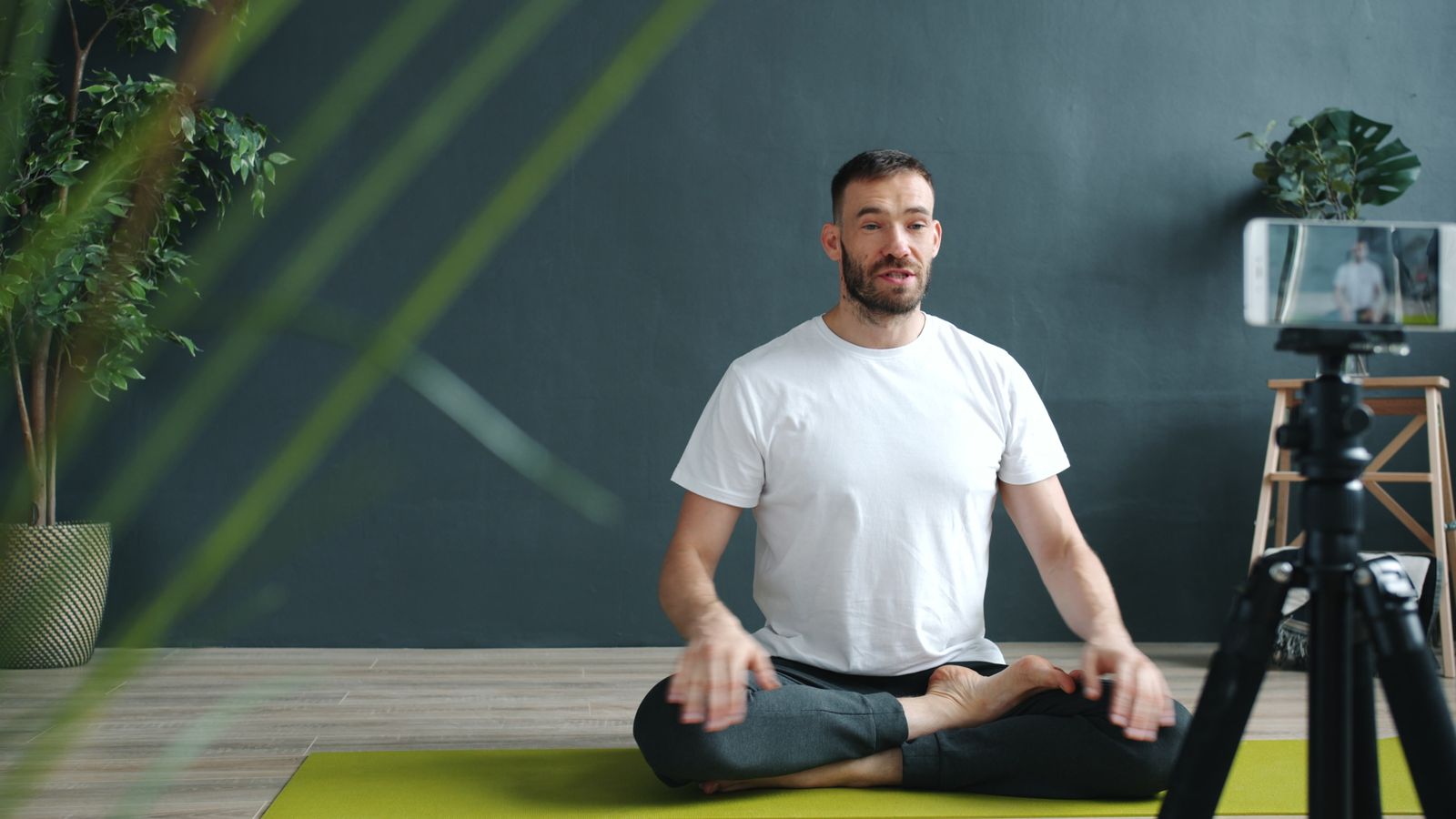
On-demand classes offer maximum flexibility, no fixed schedule to work around, letting you exercise whenever actually fits your day rather than committing to a specific time slot in advance. Instructors recording these sessions aren’t distracted by monitoring live participants, which often means clearer cueing and more thorough modifications demonstrated on screen. You also get complete freedom to choose whichever specific class or instructor style fits your mood or goal that day, and to switch freely if a particular class isn’t the right fit, without any social pressure attached to that choice.
The Real Tradeoffs Involved
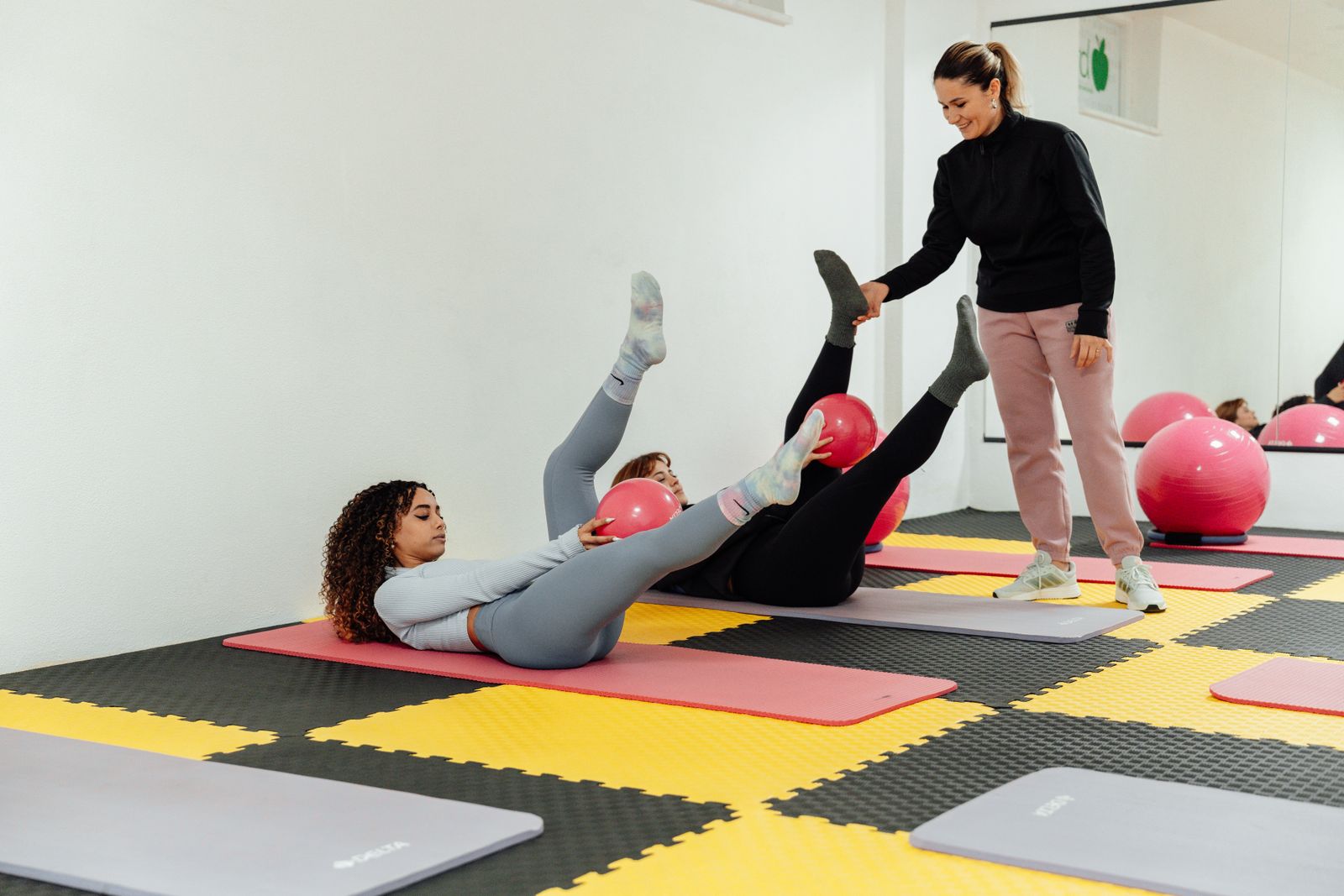
Live classes require you to book yourself into a schedule in advance, a genuine barrier for people with unpredictable daily routines, and there’s some risk that instructors managing many live participants simultaneously can’t give any single person quite as much individual attention. Recorded classes, on the other hand, can feel somewhat less personally connected, since the instructor is speaking to whoever was in the room during recording, not you specifically watching later, which some people find reduces the motivational pull compared to a genuinely live, real-time class.
How to Decide Which Format Fits You
If you thrive on accountability and tend to skip workouts when nothing external is holding you to a schedule, live classes’ fixed timing directly addresses that specific challenge. If your schedule is unpredictable or you strongly prefer full control over pacing and timing, recorded classes remove the friction that a fixed live schedule would otherwise create. Many people find a genuinely effective approach involves combining both, live classes for accountability on certain days, recorded sessions for flexibility on others, rather than committing exclusively to one format. Our guide to online Zumba classes covers additional considerations for choosing a platform that offers both options.
What Actually Matters More Than the Format Choice
Whichever format you choose, consistency remains the single biggest driver of real results, considerably more important than whether individual sessions happen live or recorded. Our guide to how to choose an online Zumba class covers additional factors, beyond just live versus recorded, worth weighing when selecting a class or platform.
Live vs. Recorded Zumba Classes
| Factor | Live Classes | Recorded Classes |
|---|---|---|
| Scheduling | Fixed time slots | Anytime flexibility |
| Instructor feedback | Real-time cues and corrections | None, self-paced |
| Motivation | Group energy and accountability | Self-driven |
| Cost | Often subscription-based | Often lower or one-time |
Frequently Asked Questions About Live vs. Recorded Zumba Classes
Are live Zumba classes better for beginners than recorded ones?
Live classes offer real-time feedback that can genuinely help beginners correct form early, but recorded classes’ ability to pause and repeat sections also has real value for beginners still learning basic steps. Both can work well depending on personal learning style.
Do recorded Zumba classes provide the same fitness benefit as live ones?
Yes, the physical benefit comes from the movement and intensity itself, which is identical regardless of whether you’re following a live or recorded session, as long as effort and consistency remain the same.
Which format is better for staying consistent long-term?
This depends on the individual. Some people stay more consistent with the built-in accountability of a scheduled live class, while others do better with the flexibility recorded sessions offer around unpredictable schedules.
Can I switch between live and recorded Zumba classes?
Yes, many people successfully combine both, using live classes on days accountability matters most and recorded sessions when flexibility is needed, without any issue mixing formats.
Do live Zumba classes cost more than recorded ones?
Pricing varies by platform, but live classes sometimes carry a premium given the real-time instructor engagement involved, though many platforms include both formats within a single subscription.
Ready to Choose Your Format?
Whichever format fits your life will deliver real results with consistent practice. Explore FitStrot’s Online Zumba Classes and choose the format that works for you.
Want more guidance on choosing well? Check out our guide to how to choose an online Zumba class, explore online Zumba classes, or head to Online Zumba Classes to get started.