In 10 days, you can realistically achieve a visibly flatter stomach through reduced bloating and water retention, alongside modest genuine fat loss — cutting sodium and processed food, increasing fibre and water intake, and daily movement produces this combination, though meaningful, lasting belly fat reduction (as opposed to visible short-term improvement) requires a longer, sustained timeline beyond 10 days.
I’m Yash Pathak, founder and lead trainer at FitStrot. Ten days is enough time to look noticeably better, but not enough to biologically “melt” significant fat — setting the right expectation upfront helps you approach this window productively rather than being disappointed by unrealistic promises.
What’s Realistically Achievable in 10 Days
Reduced bloating and water retention, achievable within the first 3-5 days by cutting sodium, processed food, and alcohol — this is the single biggest driver of visible change in a short window.
Modest genuine fat loss, roughly 0.5-1kg over 10 days with a consistent calorie deficit, contributing a smaller but real part of the visible change.
Improved digestion and reduced water weight from increased fibre and fluid intake, further supporting the visibly flatter appearance.
The 10-Day Framework
Days 1-3: Reset. Cut sodium, processed food, sugary drinks, and alcohol completely. Increase water intake to 3-4 litres daily. Add fibre-rich vegetables to every meal. Expect visible bloating reduction by day 3.
Days 4-7: Build the deficit. Maintain a moderate calorie deficit (300-500 calories) with adequate protein at each meal. Add 30-45 minutes of daily movement — walking, or a mix of cardio and core-focused exercise.
Days 8-10: Consistency. Continue the same approach — this is where the combination of reduced bloating and accumulating deficit becomes most visible.
Exercises That Support the 10-Day Window
Core exercises (planks, bicycle crunches, leg raises) strengthen and tone the abdominal muscles but don’t spot-reduce fat from the belly specifically — their value in this window is muscle tone that becomes more visible as bloating reduces, plus the calorie contribution of the exercise itself. Combining core work with general cardio (walking, cycling) and a proper diet produces better visible results than core exercises alone.
Why You Can’t “Melt” Belly Fat in 10 Days
Fat loss, unlike bloating reduction, happens at a biologically limited pace — roughly 0.5-1kg per week even under ideal conditions. Programs promising dramatic belly fat loss in a very short window are almost always describing water weight and bloating reduction, not actual fat loss, even when marketed as if they were the same thing. Understanding this distinction helps you evaluate what’s realistic and avoid disappointment or unsafe extreme measures.
What Happens After Day 10
The visible improvement from reduced bloating typically holds if you maintain the same sodium and processed food reduction — it’s not a one-time trick but a sustained habit change. Continued belly fat reduction beyond day 10 follows the same steady pace (0.5-1kg weekly) as the rest of your body, requiring continued consistency with diet and activity. Our flat stomach in a week and 7 day belly fat loss diet guides cover closely related shorter and complementary approaches.
Common Mistakes in a 10-Day Belly Fat Push
Relying on extreme calorie restriction or “detox” products promising dramatic results, which are often unsustainable and sometimes unsafe. Doing excessive core exercises expecting spot reduction, which doesn’t work — core strength shows once overall body fat and bloating reduce, not from ab exercises alone. And expecting the 10-day results to represent complete belly fat loss rather than a genuinely good, realistic start.
Why a Guided Plan Helps Even for a Short Window
Even a focused 10-day plan works better when the sodium reduction, calorie deficit, and exercise combination is calibrated to your specific body and starting point, rather than following a generic template. An online weight loss trainer can build this focused short-term plan while also setting you up for the longer, sustained approach that produces lasting belly fat reduction.
How Sleep and Stress Affect a 10-Day Push Specifically
Poor sleep and high stress both elevate cortisol, which can increase water retention and bloating in the belly area specifically — meaning that even a well-executed 10-day diet and exercise plan can show blunted results if sleep and stress aren’t also addressed during this window. Prioritizing 7+ hours of sleep and even brief daily stress-management practices (a short walk, a few minutes of deep breathing) alongside the diet and exercise components of this plan often makes a noticeable difference in how visible the 10-day results actually are.
Why Consistency Across All 10 Days Matters More Than Any Single Day
A single day of strict adherence followed by several inconsistent days produces meaningfully worse results than moderate, consistent effort sustained across the full 10 days — the cumulative sodium reduction and calorie deficit compound most effectively when maintained daily rather than in bursts. If a day goes off-plan (a family event, a craving that wins out), returning to the plan the next day, rather than treating the whole 10-day window as ruined, keeps the overall trajectory intact.
Why Bloating Often Gets Mistaken for Belly Fat
A good chunk of what people are actually frustrated about when they say “belly fat” in a 10-day window is bloating, not fat, and the two need completely different fixes. Bloating comes from gas, water retention, and digestive load, and it can make your stomach look visibly larger or feel tighter within hours of eating certain foods, which has nothing to do with fat gain. Rajma, chana, and other legumes, while genuinely healthy and protein-rich, are common bloating triggers for a lot of people because of their fiber and carbohydrate structure, especially if your gut isn’t used to eating them regularly.
Point: carbonated drinks are an obvious one, but excess salt is the sneakier culprit, and Indian food is often high in it without it being obvious — pickles, papad, packaged namkeen, and even restaurant sabzis tend to carry far more sodium than home-cooked food, and that sodium pulls water into your tissues, creating a puffier, less defined midsection within a day of eating it. Dairy can also be a factor for people with mild lactose sensitivity, showing up as bloating after a large glass of milk or a heavy paneer dish rather than any fat being added.
During a focused 10-day push, I usually have clients temporarily reduce these specific bloat-triggers, not eliminate them long-term, along with cutting back on carbonated drinks and heavily salted snacks. The visible difference this makes in the midsection within just 3-4 days is often bigger than what 10 days of actual fat loss alone could achieve, simply because you’re removing the water and gas that was masking the progress underneath.
How to Actually Measure Progress Over Just 10 Days
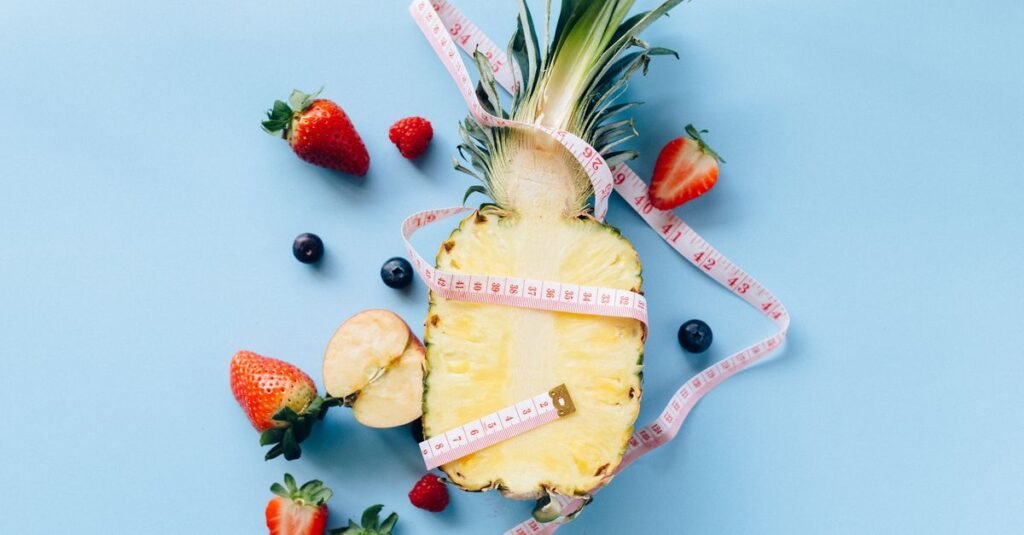
Ten days is too short a window for the bathroom scale to tell you much of anything useful, since day-to-day weight swings from water, food volume, and digestion easily outweigh any real fat loss that’s occurred. If you want an honest read on progress in this specific window, the tape measure and how your clothes fit will tell you far more than the scale will.
Point: measure your waist at the same time each morning, before breakfast and after using the bathroom, at the narrowest point or level with your navel, using the same tape and the same tension each time. Take the measurement on day one and again on day 10 rather than checking daily, since daily fluctuations from bloating and water retention will just create noise and false discouragement in a window this short. A drop of even half an inch to an inch over 10 days from a combination of reduced bloating and modest fat loss is a genuinely good result and worth recognizing as real progress.
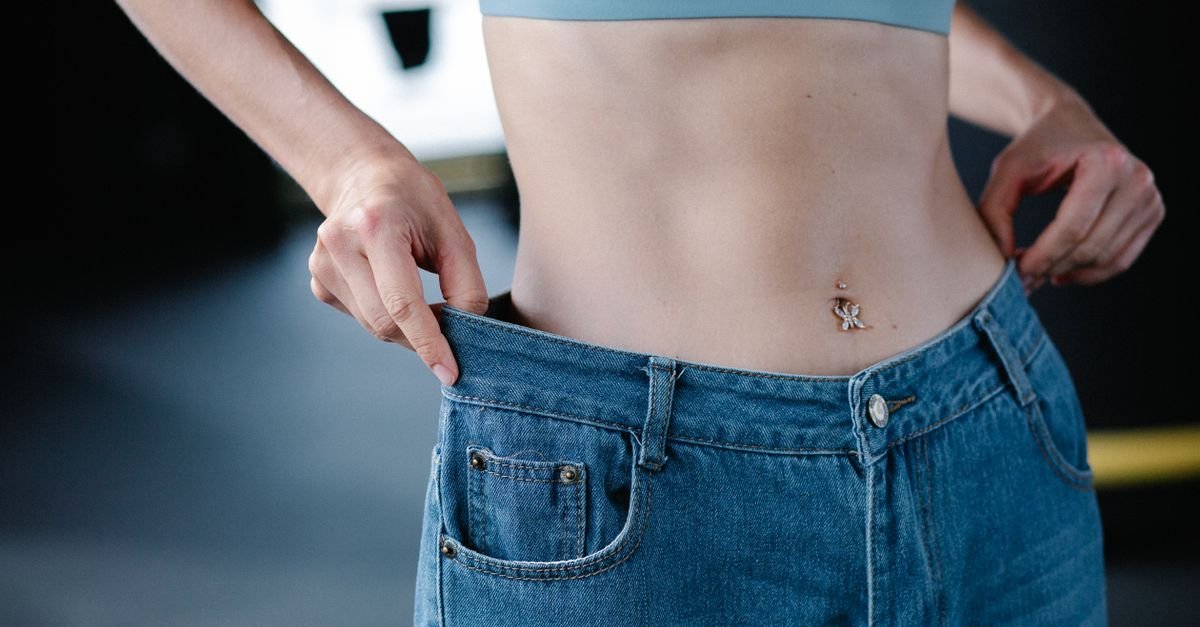
I also ask clients to take a simple photo on day one and day 10, same lighting, same pose, same time of day, because visual change is often easier to notice in a side-by-side photo than in the mirror, where you see yourself every day and adjust to gradual change without registering it. Combine the measurement and the photo with how your usual jeans or pyjama drawstring feels at the waist, and you’ll have a far more honest picture of your 10 days than the scale would ever give you.
Should You Try Intermittent Fasting for These 10 Days? Weighing the Trade-offs
Almost every client attempting a 10-day belly fat push asks me the same question at some point: “Should I also try 16:8 fasting during this window to speed things up?” It’s a reasonable question given how much fasting gets talked about online, but the answer genuinely depends on your body, your job, and your training schedule, not a blanket yes or no. Let me walk through what fasting realistically adds and where it can actually work against you during a short, focused push like this.
The upside is straightforward. Compressing your eating into an 8-hour window, say 11am to 7pm, naturally limits how many opportunities you have to snack, which for many people reduces total daily calories without needing to count every bite. During a 10-day window where consistency matters more than anything else, that simplicity can genuinely help someone who struggles with unplanned evening snacking or constant grazing at their desk.
The downside is where I ask people to be honest with themselves. If you train in the morning, skipping breakfast and fasting through your workout can leave you flat, dizzy, or simply too low-energy to push the intensity that actually drives results in a short window. Women, especially those tracking their menstrual cycle, often find fasting harder in the days leading up to their period, when hunger and energy needs genuinely shift. And anyone with a physically demanding job, long commute, or history of low blood pressure usually finds a strict fasting window adds stress rather than removing it, precisely when you need to feel your best to stick with everything else in the plan.
My actual recommendation for most clients doing a 10-day push is a moderate version rather than a strict protocol: stop eating roughly 3 hours before bed and don’t eat within the first hour of waking unless you’re hungry, which naturally creates a 12-13 hour overnight gap without forcing an aggressive 16-hour window. This gives most of fasting’s practical benefit, less mindless late-night eating, better sleep quality, without the energy crashes that can derail a workout-dependent 10-day plan. If you already fast comfortably as a habit, keep doing it. If you’re considering starting it fresh purely for this 10-day window, I’d skip it and focus your discipline on food quality and portions instead.
Frequently Asked Questions
Can I really lose belly fat in just 10 days?
You can achieve a visibly flatter stomach through reduced bloating and modest genuine fat loss (0.5-1kg), but complete, lasting belly fat reduction requires a longer timeline beyond 10 days.
What’s the fastest way to reduce belly bloating?
Cutting sodium, processed food, and alcohol, combined with increased water and fibre intake, typically reduces visible bloating within 3-5 days.
Do ab exercises alone reduce belly fat in 10 days?
No — ab exercises build and tone the muscles underneath but don’t spot-reduce fat. Combining them with cardio and diet produces better visible results than ab exercises alone.
Can beginners follow this 10-day belly fat plan?
Yes, the framework (reduced sodium, calorie deficit, daily movement) is beginner-friendly and doesn’t require intense exercise experience to follow.
Ready for a Focused Plan Calibrated to You?
A FitStrot online weight loss trainer builds a focused short-term plan for visible results, while setting you up for lasting belly fat reduction beyond just 10 days.