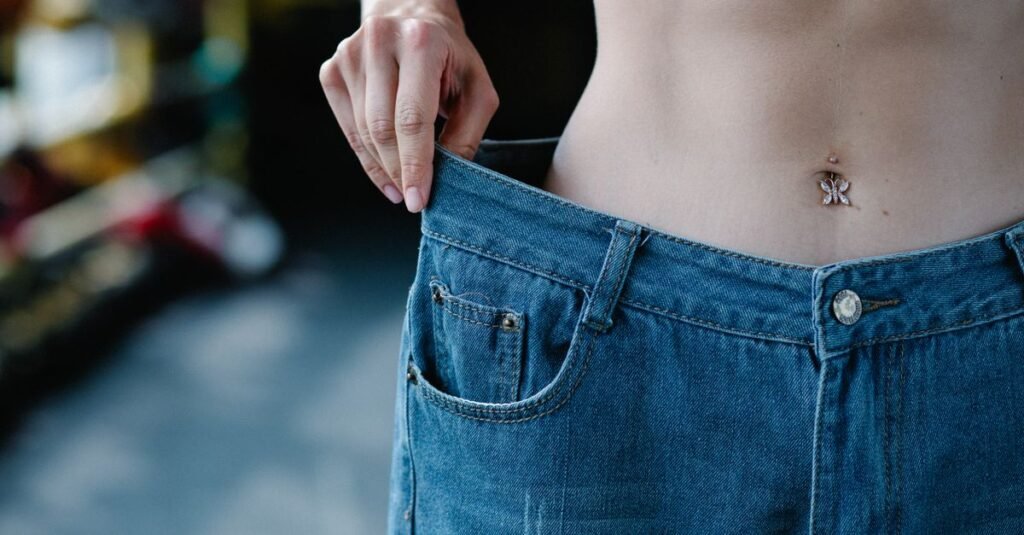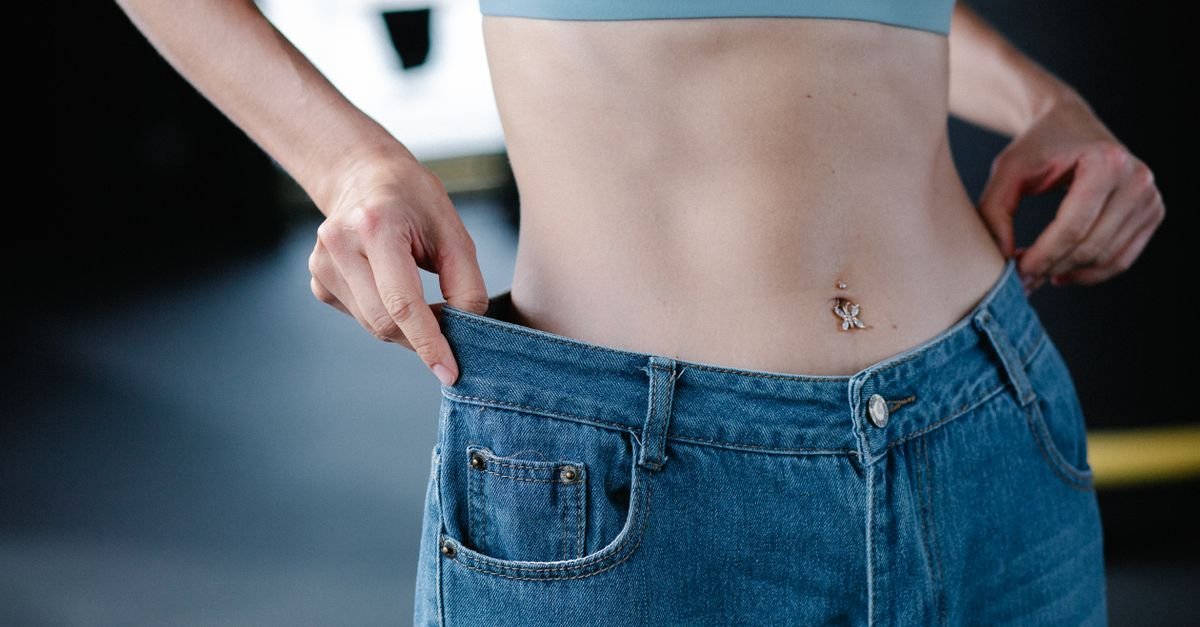
Getting visibly slimmer in 30 days is achievable through a moderate calorie deficit (300-500 calories), consistent strength and cardio training, and reduced sodium and processed food intake — realistically producing 3-5kg of total change and a noticeably leaner appearance, particularly around the midsection, through a combination of fat loss and reduced water retention.
I’m Yash Pathak, founder and lead trainer at FitStrot. “Getting slim” is a slightly different goal than pure weight loss — it’s as much about visible leanness and muscle tone as the number on the scale, which changes what the 30-day plan should prioritize.
Slim vs. Just “Lighter”: Why the Distinction Matters
Losing weight through calorie restriction alone, without strength training, often produces a smaller but softer-looking body — some muscle is lost alongside fat, which doesn’t create the toned, “slim” appearance most people actually want. Getting genuinely slim in the visual sense requires preserving and building muscle while losing fat, which is why strength training is a non-negotiable part of this specific goal, more so than for weight loss framed purely around the scale number.
The 30-Day Framework
Week 1: Foundation. Establish a moderate calorie deficit, cut processed food and excess sodium (reducing bloating meaningfully in this first week), and introduce 3-4 days of structured activity combining strength and cardio.
Week 2: Build consistency. Continue the same structure; this is typically when initial water weight loss slows and real fat loss becomes the primary driver, which can feel like slower progress even though it’s more genuine.
Week 3: Add intensity. If your body has adapted to week 1-2’s training load, slightly increasing intensity (more resistance, added interval work) helps continue visible progress rather than plateauing.
Week 4: Refine and finish strong. Small adjustments based on how the previous three weeks have gone — this is also when visible muscle tone typically becomes more noticeable as fat continues to decrease.
The 30 Days, Week by Week
Getting slimmer rather than merely lighter means the diet and the training have to change emphasis as the month progresses. This is the shape the four weeks usually take.
| Week | Diet focus | Training focus | Typical change on the scale |
|---|---|---|---|
| Week 1 | Set protein at 1.6-2.0 g per kg, cut sugary drinks and fried snacks, fix meal timing | Learn the main lifts with light loads, 8,000 steps daily | 1-2 kg, largely water |
| Week 2 | Hold the deficit around 400-500 calories, build meals around dal, curd, paneer, eggs | Add load to squats, presses and rows; two to three strength sessions | 0.4-0.8 kg |
| Week 3 | Tighten portions of rice and roti, watch weekend eating, keep fibre high | Progress reps or weight, add one conditioning session | 0.4-0.8 kg, may stall briefly |
| Week 4 | Maintain the same deficit, prioritise sleep and salt consistency | Hold intensity, keep steps up, avoid adding fatigue | 0.5-1 kg, with visible definition |
Across the month that adds up to roughly 3-5 kg for most people, which is exactly the range I quoted earlier. The scale numbers here are approximate, and the more useful signal is that waist measurement keeps falling even in a week when weight does not.
Diet Principles for Getting Slim
Protein-forward meals. Higher protein (1.6-2g per kg body weight) than a standard weight-loss diet, supporting muscle preservation and the toned appearance that distinguishes “slim” from simply “lighter.”
Portioned, not eliminated, carbohydrates. Complete carb elimination isn’t necessary or particularly effective — portioned rice, roti, or other carb sources support training performance and recovery.
Reduced sodium and processed food, particularly impactful for visible leanness, since bloating and water retention can mask muscle definition even when body fat is genuinely decreasing.
Consistent hydration, which supports both the metabolic processes involved in fat loss and reduces the water retention that works against a lean appearance.
Exercise Structure for a Slim, Toned Look
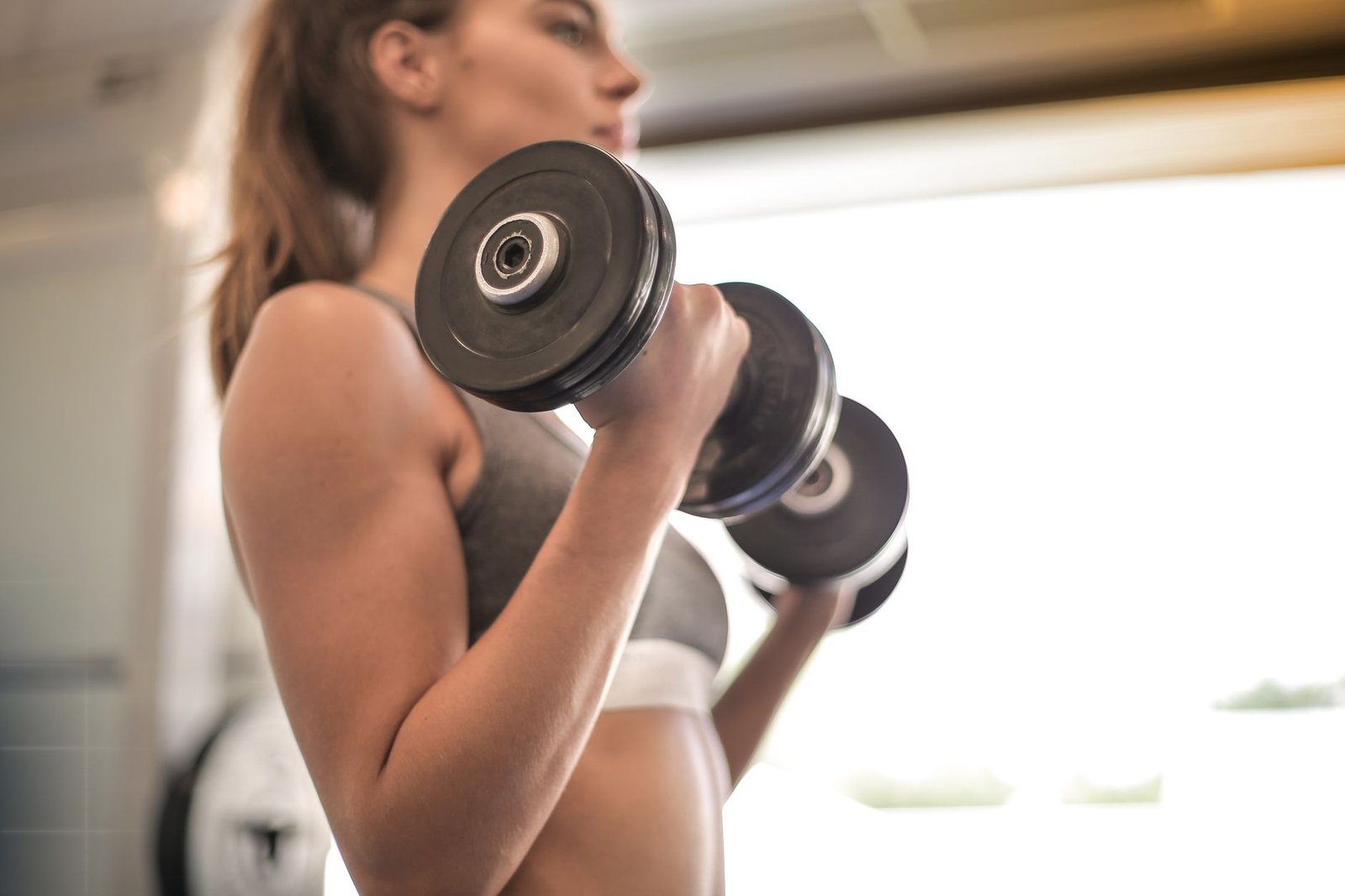
Strength training, 3-4 days weekly. Compound movements (squats, lunges, push-ups, rows) that build muscle throughout the body, creating the toned appearance that distinguishes visible leanness from just being smaller.
Cardio, 2-3 days weekly. Supports the calorie deficit and cardiovascular fitness — a mix of steady-state and interval training tends to work well together.
Core-focused work. While spot reduction isn’t possible, building core strength and definition contributes to the overall slim, toned appearance once body fat decreases enough to reveal it.
A Sample Training Week
This split assumes a beginner or returning lifter with about four to five hours a week available, and it works in a gym or at home with dumbbells and resistance bands.
| Day | Session | Approximate duration |
|---|---|---|
| Monday | Full-body strength: squat, push, row, core | 45-55 min |
| Tuesday | Brisk walk or cycling, easy pace | 30-40 min |
| Wednesday | Full-body strength: hinge, overhead press, pull, carry | 45-55 min |
| Thursday | Walk plus mobility and stretching | 30 min |
| Friday | Full-body strength: heavier lower body, upper body accessories | 45-55 min |
| Saturday | Optional conditioning: intervals, sport or a longer walk | 20-30 min |
| Sunday | Rest, with steps kept above your usual daily baseline | – |
Three strength sessions is the part that separates a slim result from a smaller, softer version of the same body. If you are new to lifting, spend the first week on form with light weight rather than chasing numbers, and get any existing joint or back issue cleared by a doctor first.
What Realistic Progress Looks Like Week by Week
Week 1: Visible reduction in bloating, initial water weight loss (1-1.5kg). Week 2: Continued but slower loss (0.5-1kg) as fat loss becomes the primary driver. Week 3: Increasing visible muscle tone alongside continued fat loss (0.5-1kg). Week 4: Noticeably leaner appearance, particularly around the midsection, with total 30-day change typically 3-5kg combining fat loss and reduced water retention.
Common Mistakes That Prevent a Slim Result
Focusing only on cardio while skipping strength training, which produces weight loss without the toned appearance most people associate with “slim.” Restricting calories too aggressively, which risks muscle loss alongside fat and can leave you looking softer rather than more defined. And inconsistent training, since visible muscle tone requires the progressive, consistent stimulus that sporadic workouts don’t provide.
Sustaining the Result Beyond 30 Days
The habits built in this 30-day plan — protein-forward eating, consistent strength training, reduced processed food — need to continue at a maintainable pace afterward for the slim appearance to hold. Reverting immediately to prior habits typically reverses much of the visible progress within a few weeks. Our 30 day weight loss challenge and gym workout for weight loss guides cover related structures for continuing this progress.
Why a Personalized Plan Produces Better Results
Your starting body composition, activity level, and how quickly you build muscle versus lose fat all affect how this 30-day plan should be calibrated specifically for you. An online weight loss trainer builds a plan targeting genuine leanness and tone, not just a lower number on the scale, and adjusts it as your body responds.
What Changes Week to Week Over 30 Days
Week 1: Adjusting to new eating and activity patterns; expect the fastest visible change from reduced bloating and water weight.
Week 2: Genuine fat loss becomes the primary driver of continued progress, at a steadier, sometimes slower-feeling pace than week 1.
Week 3: Often the hardest week psychologically, as novelty fades and progress feels slower — consistency here matters most for the final outcome.
Week 4: Cumulative changes become more visibly apparent, particularly if strength training has been consistent alongside the calorie deficit throughout the month.
Tracking Progress Beyond the Scale: What Actually Shows a Slimmer Look
The number on the scale is the least reliable indicator of a slimmer appearance over a 30-day period, and relying on it alone is one of the most common reasons people feel discouraged despite making real progress. Body composition changes, losing fat while maintaining or even gaining a small amount of muscle, often show up in how clothes fit and how your body looks long before the scale reflects much movement at all.
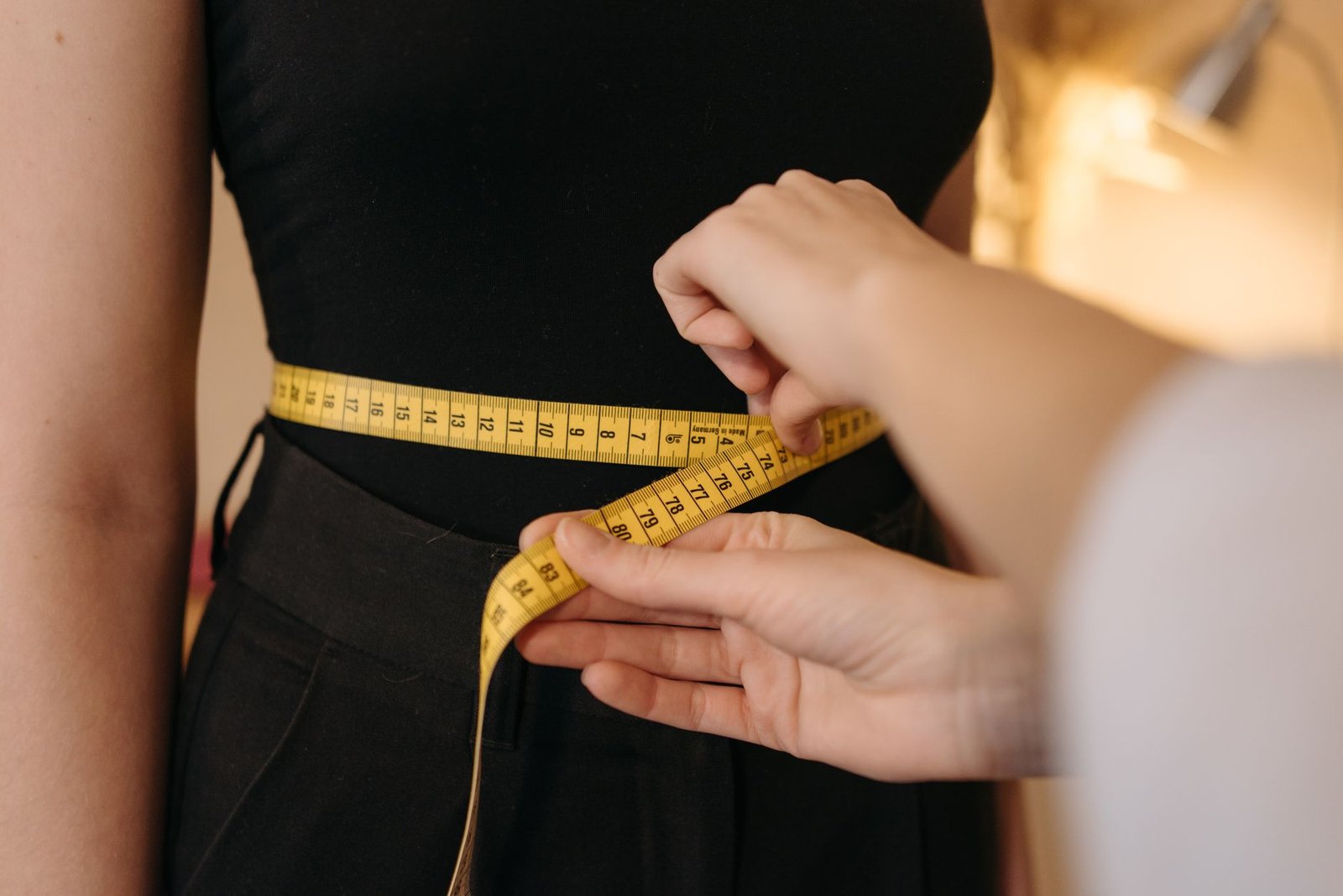
Body measurements taken with a simple measuring tape, around the waist at the navel, the hips at the widest point, and the thighs, give a far more accurate picture of a slimmer look than weight alone. Taking these measurements once a week, at the same time of day and under similar conditions, often shows a clear downward trend even during weeks when the scale barely moves, because fat loss and water retention can mask each other on a scale in ways they do not in a tape measurement.
Photographs, taken in the same lighting, same clothing, and same poses, front, side, and back, once a week, are another tool most people underuse simply because they feel awkward taking them. Looking back at week one photos next to week four photos side by side usually reveals visible changes in definition around the waist and face that are genuinely hard to notice day to day when you are looking at yourself in the mirror every morning.
The simplest and most immediate marker for most people is how a specific pair of jeans or a fitted piece of clothing fits from week to week. This is not a scientific measurement, but it is honest feedback that requires no equipment, and I encourage clients to pick one such item at the start of the month and check in with it weekly rather than obsessing over daily scale readings that fluctuate with water, sodium intake, and hormonal cycles far more than they reflect actual fat loss.
Measurements Worth Taking on Day 1 and Day 30
Take these in the morning before eating, in the same clothes and the same light, so the day 30 comparison is honest.
- Waist at navel level – the single most responsive measurement, and usually the first to move.
- Hips at the widest point – useful for tracking lower-body change.
- Chest or bust at the fullest point.
- Upper arm, relaxed, at the mid-point – often holds steady while the waist shrinks, which is a good sign.
- Thigh at the mid-point.
- Photos from front, side and back – same spot, same lighting, same time of day.
- How one specific pair of jeans fits – the most practical measure anyone ever uses.
- Weekly average weight – not a single morning reading, which swings by a kilo or more on its own.
What to Do If You Hit a Plateau Around Day 15-20
A stall in visible progress somewhere in the middle of the month is common enough that I tell clients to expect it rather than be alarmed by it. The body adapts to a consistent calorie deficit and a consistent training routine, and by two to three weeks in, what worked in week one often needs a small adjustment to keep producing results.
The first thing to check is whether portion sizes have quietly crept up. As people get more comfortable with a diet plan by day fifteen, small additions, an extra roti, a slightly bigger serving of rice, a second cup of tea with sugar, sneak back in without feeling like a conscious choice. Going back to measuring or at least visually estimating portions for a few days often reveals the culprit.
The second thing to check is whether your training has become too familiar to your body. If you have done the same set of exercises with the same reps and weights for two straight weeks, your body has likely adapted efficiently enough that the same session now burns fewer calories and creates less muscle stimulus than it did in week one. Adding a new exercise variation, increasing weight slightly, or changing the order of exercises in your routine is often enough to break through this without needing a complete overhaul.
The third and most overlooked factor is stress and sleep during this exact window, since the middle of a 30-day push is often when motivation dips and life’s usual demands start competing for attention. If a plateau coincides with a particularly stressful or poorly slept week, the fix may have nothing to do with your diet or training plan at all, and simply prioritizing rest for a few days before making other changes is often the more effective move than restricting calories further.
Starting With 5kg to Lose vs 15kg to Lose: Why the Same 30-Day Plan Needs Different Expectations
I get versions of the same question from very different clients: someone with 5 kg to lose wanting to know why their friend with 15 kg to lose is seeing faster visible change, and someone with 15 kg to lose wondering why their neighbour who wanted to lose 5 kg looks noticeably slimmer after the same 30 days. The framework and principles in this plan stay identical for both, but what a successful 30 days actually looks like on the body is genuinely different depending on your starting point, and not understanding this is one of the most common sources of disappointment I see.
If you are carrying 5 kg of extra weight, you are typically closer to your body’s set point, water retention and small daily fluctuations make up a larger share of your total excess weight, and visible change tends to show up more slowly and more subtly, often as a slight tightening around the face and midsection rather than a dramatic transformation. A realistic 30-day outcome here is 1.5 to 2.5 kg lost, with the last kilogram or two of any goal always being the slowest to shift, since your body resists dropping below a comfortable range it has maintained for a while.
If you are carrying 15 kg or more of extra weight, the first 30 days often move faster and more visibly, partly because there is more actual fat and fluid to lose, and partly because the body responds more dramatically to an initial calorie deficit and new activity when it has been sedentary for a long stretch. It is common to see 3 to 5 kg lost in the first month here, with noticeably looser clothing and visible changes in the face and midsection that a 5 kg goal simply will not produce in the same window, purely because there is more room to change.
Neither pattern is better or worse, and comparing your 30 days to someone with a different starting point is genuinely comparing two different situations. What matters is whether you are seeing appropriate progress for your own starting point: roughly 0.5 to 1 percent of body weight lost per week is a reasonable, sustainable target regardless of whether your total goal is 5 kg or 25 kg. If you have a smaller goal, expect the process to feel slower and require more patience in the final stretch. If you have a larger goal, expect the first month to be encouraging, and use that momentum to build habits that will carry you through the second and third months, when the pace naturally slows for everyone.
Frequently Asked Questions
How can I get slim in 30 days?
Through a moderate calorie deficit combined with consistent strength training (to build and preserve muscle tone) and cardio, alongside reduced sodium and processed food for visible bloating reduction — producing a realistic 3-5kg change and noticeably leaner appearance.
Is it possible to get visibly slim in just 30 days?
Yes, to a meaningful degree, particularly if starting from a less active or higher body fat baseline — though 30 days is a strong starting point rather than a complete transformation, which typically takes longer for more dramatic change.
Do I need to do cardio or strength training to get slim?
Both play a role — strength training builds the muscle tone that distinguishes “slim and toned” from simply smaller, while cardio supports the calorie deficit. Combining both tends to produce better visible results than either alone.
Can beginners follow a 30-day plan to get slim?
Yes, though beginners should moderate training intensity initially, focusing on consistency and proper form, building toward more intensity as fitness improves across the 30 days.
Ready for a 30-Day Plan Built for Genuine Leanness?
A FitStrot online weight loss trainer builds a plan targeting real muscle tone and fat loss, not just a lower scale number, calibrated to your body and adjusted as you progress.