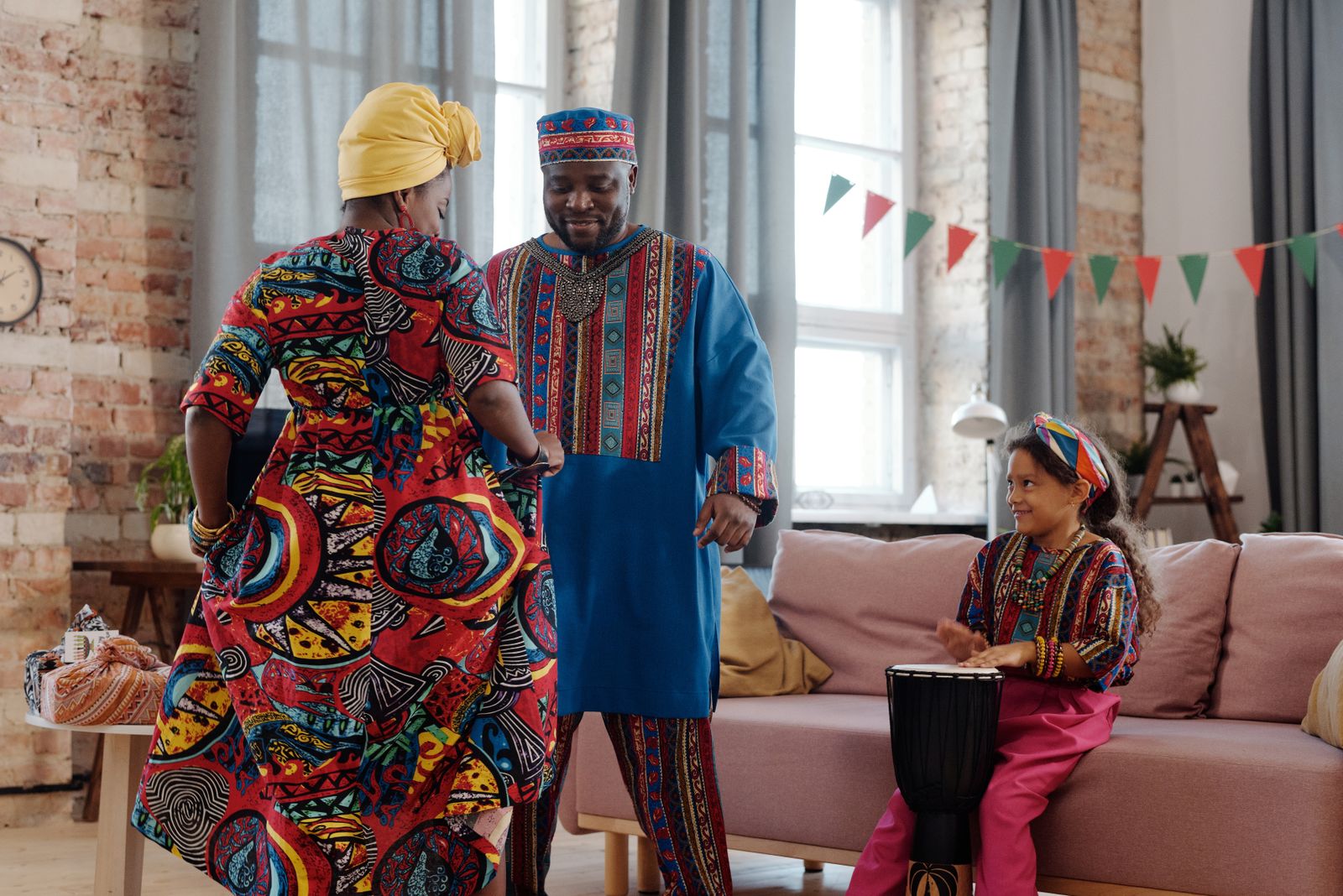
Family Zumba works because the format’s fun, high-energy, easy-to-follow choreography scales across ages in a way most fitness formats don’t, a single class or home session can genuinely engage young children, teenagers, and parents at the same time without needing to modify the experience heavily for any one group. Dedicated kids’ programs like Zumbatomic add age-specific benefits on top of the general appeal, while the shared activity itself builds a family habit around movement rather than just individual exercise.
Here’s what makes family Zumba work, what Zumbatomic offers specifically, and how to structure a session that actually works at home with a mixed-age group.
Why Zumba Works Across Such a Wide Age Range
Most fitness formats are built around a specific fitness level or age bracket, which makes them awkward to share across a family. Zumba’s foundation, following a beat and repeating simple movement patterns, doesn’t require the strength or technical precision that would exclude younger or older participants. The music itself, drawing from genres kids and parents both recognize and enjoy, hip hop, reggaeton, cumbia, and more, gives everyone a genuine reason to engage rather than parents simply tolerating a kids’ activity or vice versa.
What Zumbatomic Offers Kids Specifically
Zumbatomic is a dedicated kids’ program built around specially choreographed, family-friendly routines. Beyond the fun factor, the format is associated with real developmental benefits: improved focus and self-confidence, boosted metabolism, and enhanced coordination in children who participate regularly. For parents looking for a reason beyond “it’s fun” to prioritize this kind of activity, these developmental benefits give a concrete answer.
The Bonding Benefit Beyond Fitness
Shared physical activity gives families a genuine reason to spend focused time together that isn’t centered on screens or errands, and research on family fitness activities generally points to real bonding value in this kind of shared, active time. For families managing typically hectic schedules, a recurring family Zumba session, even 20 minutes, creates a predictable, positive touchpoint in the week that both kids and parents tend to look forward to rather than dread.

How to Run a Family Zumba Session at Home
Pick music and choreography with broad appeal rather than defaulting entirely to adult-oriented playlists, tracks that blend genres kids recognize with the core Zumba rhythms work best for keeping younger participants engaged. Keep initial sessions shorter than a typical adult class, 15 to 20 minutes is often the right length for younger kids’ attention spans, and it’s easy to extend once everyone’s warmed into the routine. Let kids add their own flair or freestyle moments within the structure, rigid technical correction tends to kill enthusiasm quickly in a family context where the goal is shared enjoyment, not competition-level precision.
Making It a Recurring Family Habit
A single family Zumba session is fun, but the real value builds with recurrence, a weekly Saturday morning session, or a regular slot during school holidays, works well as a specific, memorable family tradition rather than an occasional novelty. This connects to the broader idea of building a routine that survives busy periods, which our guide to building a Zumba routine that sticks covers in more depth, even though that guide focuses primarily on individual practice, the same consistency principles apply to a family routine.
Fitting Family Zumba Around a Busy Household Schedule
Busy professional parents juggling work and family commitments often assume there’s no time for anything beyond the essentials. Our guide to Zumba for busy professionals covers how shorter sessions and flexible scheduling apply just as well to a family context, a 15-minute family session before dinner is a realistic addition even to a genuinely packed household schedule.
Family Zumba Workouts: Quick Facts
- Age range: Works across kids, teens, and adults with modifications
- Best format: Standard Zumba or Zumba Kids for mixed-age groups
- Bonding benefit: Shared activity builds family connection
- Practical tip: Let kids help pick music for extra engagement
Frequently Asked Questions About Family Zumba
What age can kids start doing Zumba?
Zumbatomic and similar kids’ programs are generally designed for a wide range of younger ages, with routines adapted to be age-appropriate. For a home setting without a structured program, most children old enough to follow simple movement instructions and enjoy music can participate in some form.
How long should a family Zumba session be?
15 to 20 minutes works well as a starting point, particularly with younger children involved, since it respects shorter attention spans while still delivering a genuine burst of activity. Sessions can extend longer as everyone builds stamina and enthusiasm for the format.
Does family Zumba actually benefit kids developmentally, or is it just exercise?
Dedicated kids’ programs like Zumbatomic are associated with improvements in focus, self-confidence, coordination, and metabolism in children who participate regularly, benefits that go beyond the general value of physical activity alone.
What if my kids and I have very different fitness levels?
Zumba’s scalability is one of its biggest advantages here, since the choreography doesn’t require matched fitness levels to participate meaningfully. Each person can move at their own intensity while still following the same overall routine and music.
Can family Zumba replace kids’ regular physical education or sports activities?
It’s a strong complement rather than a full replacement, offering coordination and cardiovascular benefits that support broader physical development, but a variety of structured physical activities generally serves children’s overall development better than relying on any single format alone.
Ready to Get the Whole Family Moving?
Family Zumba is one of the easiest ways to build a shared activity that both kids and parents genuinely enjoy. Explore FitStrot’s Online Zumba Classes and find a session the whole family can join.
Balancing this with a busy household schedule? Check out our guide to Zumba for busy professionals, explore Zumba for kids, or head to Online Zumba Classes to get started.