Bachata and dembow are two Dominican-rooted styles that frequently appear together in Zumba classes, combining bachata’s intimate, hip-popping movement with dembow’s fast, staccato electronic beat. Together with merengue, they form what’s sometimes described as the explosive Dominican Carnaval flavor within Zumba’s broader rhythm palette, distinct from the four mandatory core rhythms but a common and popular addition in many classes.
Here’s where each style comes from, how they’re adapted for Zumba, and why they’re often taught as a pair rather than separately.
Where Bachata Comes From
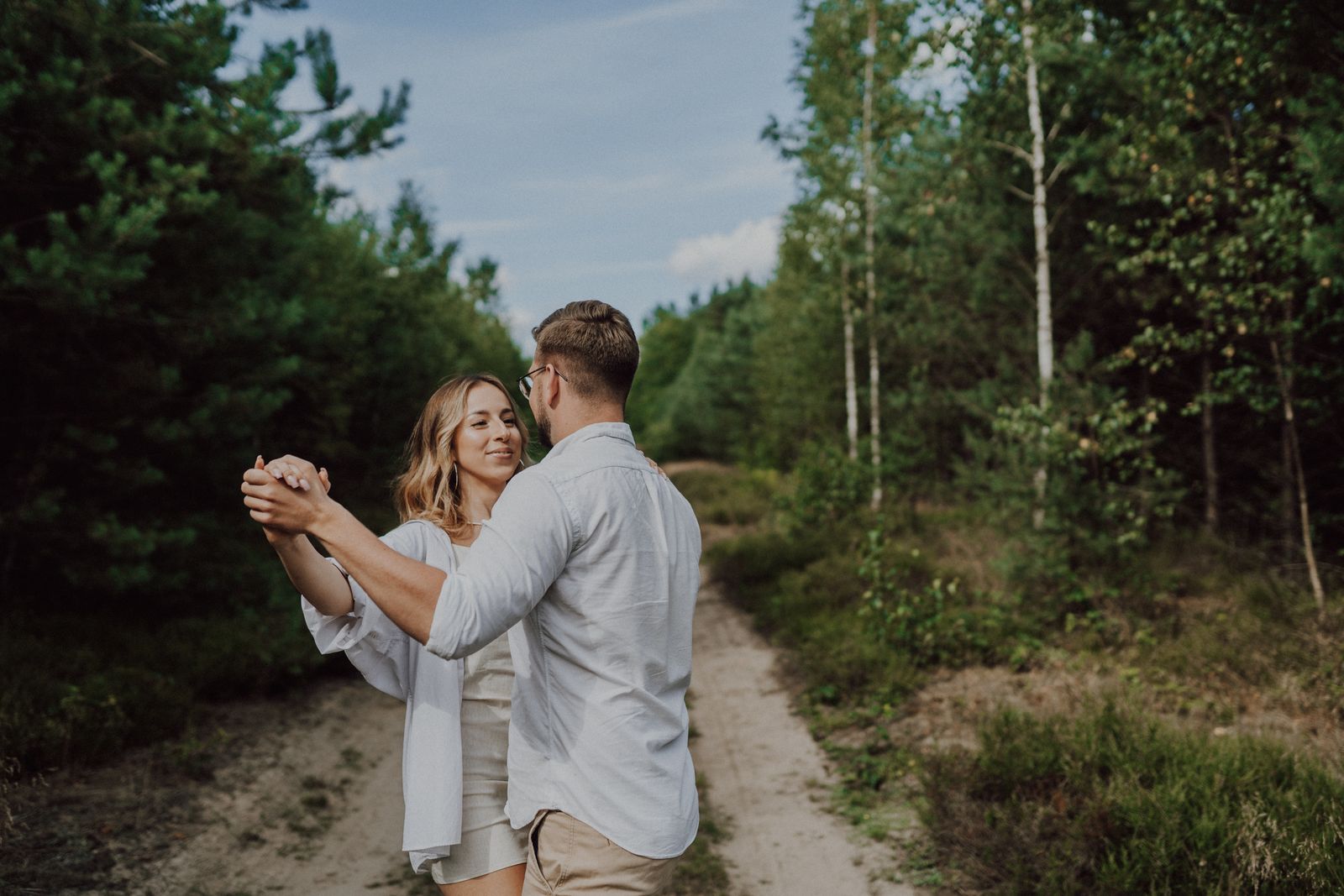
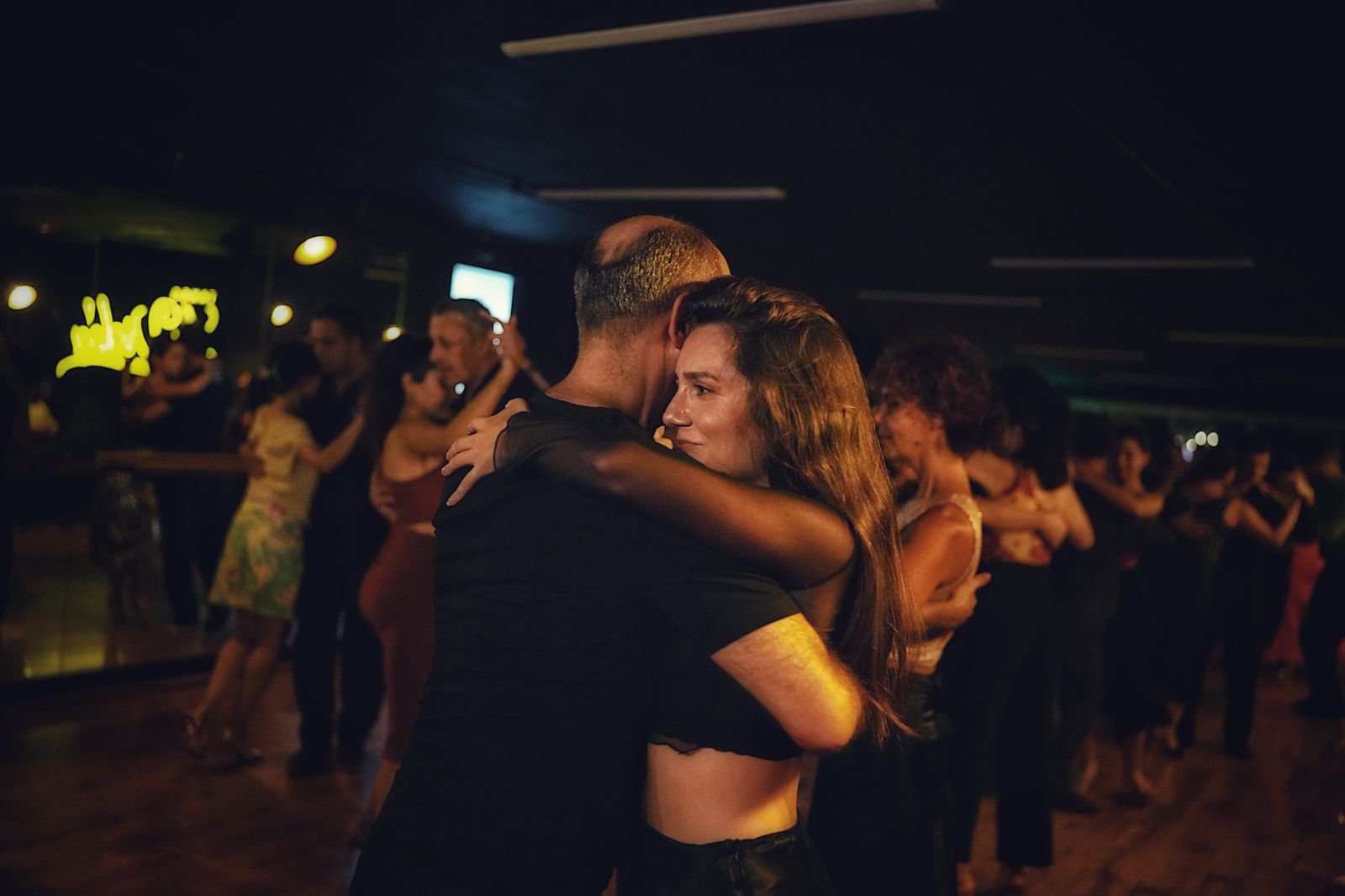
Bachata is an intimate couples’ dance that originated in the Dominican Republic in the 1960s, drawing inspiration from bolero. The traditional social dance moves through a basic eight-count sequence within a small square footprint, with a distinctive rhythmic accent falling on every fourth count, and dancers typically incorporating tap-steps and hip pops as signature stylistic touches.
Where Dembow Comes From
Dembow developed in the Dominican Republic in the late 1980s as a repetitive, staccato drum machine pattern, though the name itself traces back to a 1990 song called “Dem Bow” by Jamaican dancehall artist Shabba Ranks. The rhythm has since become foundational to a huge swath of contemporary Latin urban music, and its fast, punchy percussion translates into some of the most high-energy movement found in a Zumba class.
How Bachata Translates Into Zumba Choreography
Zumba adapts bachata’s traditional eight-count, small-footprint pattern into a solo, fitness-oriented version, keeping the signature hip pops and tap-steps but removing the partner connection central to the social dance. Instructors often layer additional footwork and directional variety onto the basic pattern to raise the cardiovascular demand beyond what the traditional social version would provide.
How Dembow Translates Into Zumba Choreography
Dembow’s fast, staccato beat lends itself to quick, energetic movement with heavy hip shaking, often blended directly into or alternated with bachata segments in the same routine. The rhythm’s driving, repetitive percussion makes it easy to build sustained high-intensity choreography around, which is part of why it pairs so naturally with bachata’s more textured movement in a single combined segment.
Why Bachata and Dembow Are Often Taught Together
Both styles share Dominican origins and often appear in the same songs or back-to-back song pairings within contemporary Latin urban music, which makes them a natural fit for a combined Zumba segment. The contrast also works well choreographically: bachata’s more intimate, hip-driven movement pairs effectively with dembow’s faster, more percussive energy, giving a single segment more dynamic range than either style alone would provide.
How This Pairing Fits Into a Broader Class
While bachata and dembow aren’t part of Zumba’s four mandatory core rhythms, salsa, merengue, reggaeton, and cumbia, they’re a common and popular addition that many instructors weave into class alongside the core four. Our Zumba rhythms explained guide covers how the mandatory core rhythms structure a class, with additional styles like this bachata and dembow pairing layered in depending on the instructor and studio.
Tips for Following Bachata and Dembow Segments
Focus on the hip pop specifically in bachata sections, it’s the signature movement that gives the style its recognizable look, and getting comfortable with it matters more early on than mastering the full footwork pattern. Let dembow’s driving beat guide your tempo rather than trying to overthink the choreography, the rhythm is repetitive and percussive enough that your body can often find the pattern faster than your conscious mind can plan it out. Expect more hip and core engagement than in merengue or cumbia specifically, both styles lean heavily on hip movement as their primary expressive tool.
Bachata and Dembow: Quick Facts
| Rhythm | Origin | Feel |
|---|---|---|
| Bachata | Dominican Republic | Romantic, 4-count with hip movement |
| Dembow | Panama/Puerto Rico | Percussive, reggaeton’s rhythmic backbone |
Curious how these two rhythms fit alongside the rest of the format’s musical foundation? Our full breakdown of Zumba rhythms explained covers salsa, merengue, reggaeton, and cumbia in the same depth.
Frequently Asked Questions About Bachata and Dembow in Zumba
Is bachata one of Zumba’s four core rhythms?
No. The four mandatory core rhythms are salsa, merengue, reggaeton, and cumbia. Bachata, often paired with dembow, is a common and popular additional style that many instructors incorporate, but it isn’t part of the required foundational four.
What’s the difference between bachata and dembow?
Bachata is a traditional Dominican couples’ dance built on an eight-count pattern with hip pops and tap-steps, dating to the 1960s. Dembow is a faster, more percussive electronic rhythm developed in the late 1980s, now foundational to much of contemporary Latin urban music. They’re often blended together in the same Zumba segment despite being distinct styles.
Do I need a partner to do bachata in Zumba?
No. Zumba adapts bachata into a solo, fitness-focused version that keeps the signature hip pops and footwork but removes the partner connection central to the traditional social dance.
Why do bachata and dembow feel more intense than merengue?
Both rely heavily on continuous hip movement and, in dembow’s case, a fast, driving beat, which raises the core engagement and cardiovascular demand compared to merengue’s simpler, steadier footwork.
Where can I hear examples of dembow-influenced music used in Zumba?
Contemporary Latin urban and reggaeton-adjacent playlists frequently feature dembow-influenced tracks, and many Zumba instructors curate specific bachata and dembow segments using popular current music within that genre space.
Ready to Feel This Dominican Flavor for Yourself?
Bachata and dembow bring a distinctive energy that rounds out a well-structured Zumba class. Explore FitStrot’s Online Zumba Classes and experience it firsthand.
Curious about the mandatory core rhythms too? Check out our guide to salsa in Zumba, explore the full types of Zumba available, or head to Online Zumba Classes to get started.