The Core Difference From Standard Zumba
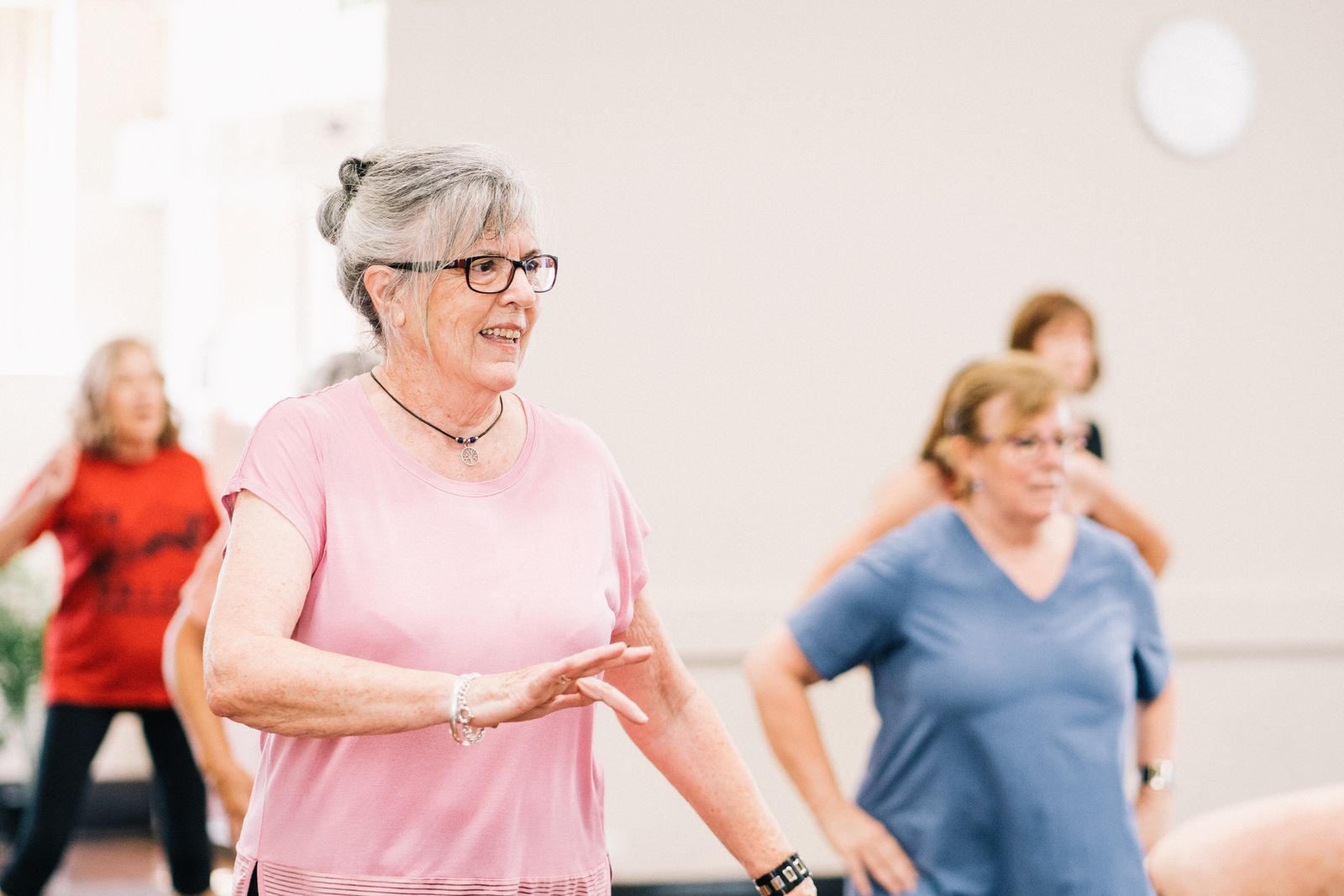
Zumba Gold uses the same core rhythms and music as standard Zumba, salsa, merengue, reggaeton, and cumbia among them, but removes or softens the jumps and high-impact steps in favor of a slower pace focused on balance, coordination, and flexibility. Research from the American Council on Exercise found that a single Zumba Gold session meets recognized exercise-intensity guidelines for improving and maintaining cardiovascular fitness, confirming this lower-impact modification doesn’t come at the cost of genuine aerobic benefit.
Who Zumba Gold Was Built For
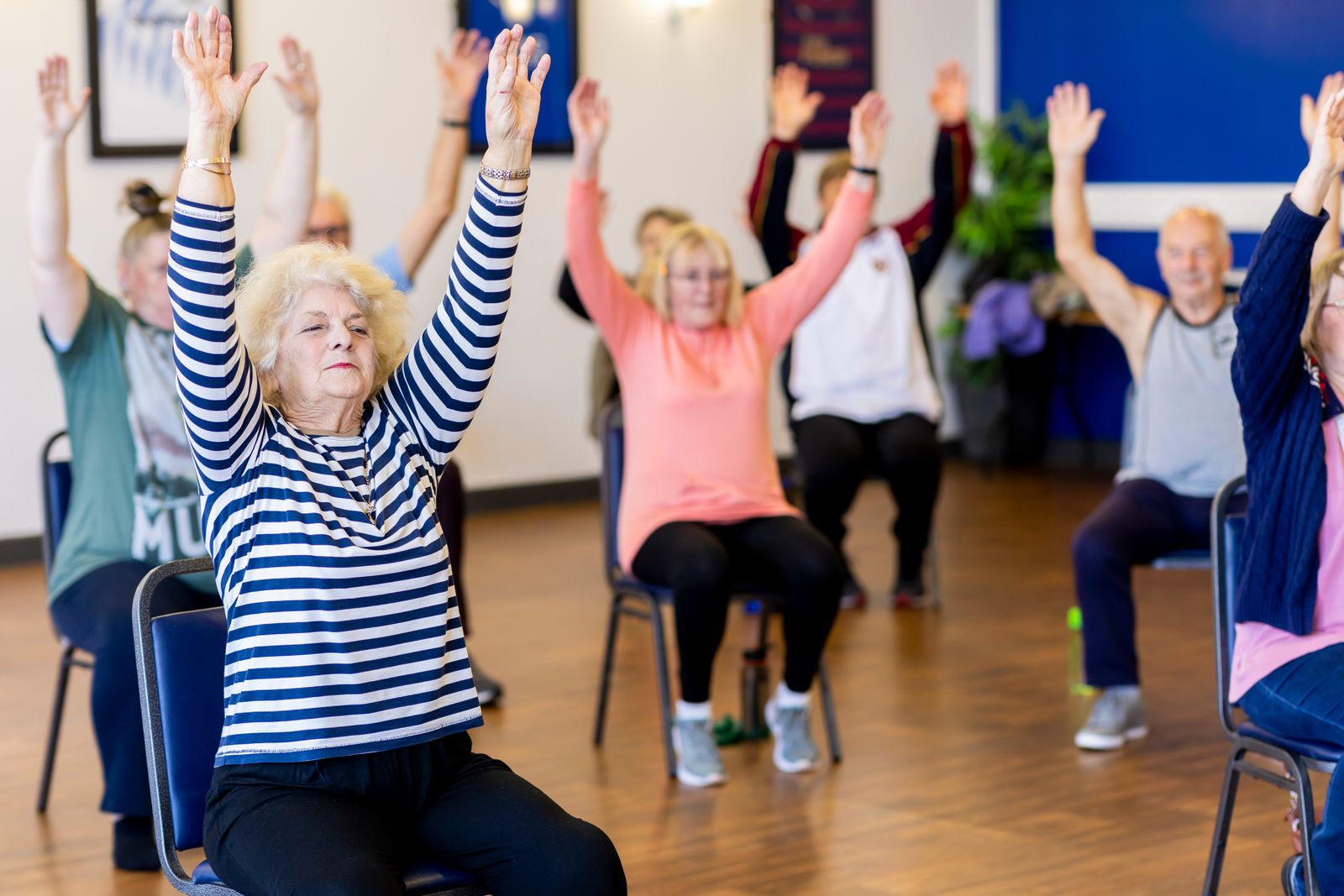
The format is primarily associated with older adults and people managing mobility limitations or joint sensitivity, though its appeal extends beyond these groups specifically. Anyone newer to exercise generally, recovering from injury, or simply wanting a gentler entry point before progressing to higher-intensity formats can benefit from Zumba Gold’s structure regardless of age.
Cardiovascular Benefit Without the Impact
The ACE-sponsored research specifically measured whether Zumba Gold met established intensity thresholds for cardiovascular improvement, an important question since many lower-impact formats fall short of delivering genuine aerobic benefit. The confirmed result means Zumba Gold participants aren’t trading real fitness improvement for joint comfort, both outcomes are achieved simultaneously through the format’s deliberate design.
Balance and Fall Prevention Benefits
The footwork built into Zumba Gold choreography directly challenges balance and coordination, qualities closely tied to fall risk in older populations specifically. Consistent practice targeting these specific physical qualities may meaningfully reduce fall risk over time, an outcome with real practical significance for maintaining independence, particularly for older adults living alone.
How Zumba Gold Compares to Aqua Zumba
Both formats reduce joint impact compared to standard Zumba, but through different mechanisms, Zumba Gold slows pace and softens land-based movement, while Aqua Zumba uses water’s buoyancy and resistance instead. People managing significant joint pain might find Aqua Zumba offers even greater impact reduction, while Zumba Gold works well for anyone wanting a gentler land-based option without needing pool access.
Zumba Gold for Arthritis Specifically
Research on a 12-week Zumba program in rheumatoid arthritis patients documented reduced pain and improved mobility, with Zumba Gold’s low-impact design representing a natural fit for this population given its deliberate avoidance of jarring joint movement. Our guide to is Zumba good for arthritis covers this research in considerably more depth.
Starting Zumba Gold as a Complete Beginner
The same foundational principles that apply to any Zumba beginner, focusing on the beat before precise steps, starting with two to three sessions weekly, choosing appropriate footwear, apply just as directly to Zumba Gold. Our guide to Zumba for beginners covers this starting approach in full.
Zumba Gold Quick Facts
- Intensity: Lower-impact, slower pace than standard Zumba
- Cardio benefit: Meets ACE intensity guidelines in a single session
- Best for: Older adults, beginners, joint sensitivity
- Music and rhythms: Same as standard Zumba, just softened
What People Usually Want to Know
Is Zumba Gold only for older adults?
No, while it’s primarily associated with older adults and people managing mobility limitations, Zumba Gold works well for anyone wanting a gentler entry point into fitness, including complete beginners of any age.
Does Zumba Gold still provide real cardiovascular benefit?
Yes, research confirms a single session meets established intensity guidelines for cardiovascular fitness improvement, despite the reduced impact compared to standard classes.
What’s the difference between Zumba Gold and Aqua Zumba?
Zumba Gold reduces impact by slowing pace and softening land-based movement, while Aqua Zumba uses water’s buoyancy and resistance to achieve a similar joint-friendly effect through a different mechanism.
Is Zumba Gold good for people with arthritis?
Yes, its deliberate avoidance of jarring, high-impact movement makes it a natural fit for people managing arthritis, and research on modified Zumba programs has documented reduced pain and improved mobility in this population.
Can I progress from Zumba Gold to standard Zumba later?
Yes, many people use Zumba Gold as a starting point before building toward the higher intensity and impact of standard classes as their fitness and confidence improve.
Take the Next Step
A gentler entry point doesn’t mean a lesser workout, the research confirms real benefit either way. Explore FitStrot’s Online Zumba Classes to find a Zumba Gold option.
Related reading: is Zumba good for arthritis, Aqua Zumba, or head to Online Zumba Classes to get started.
Sources: ACE, Is Zumba Gold an Effective Workout for Middle-Aged and Older Adults