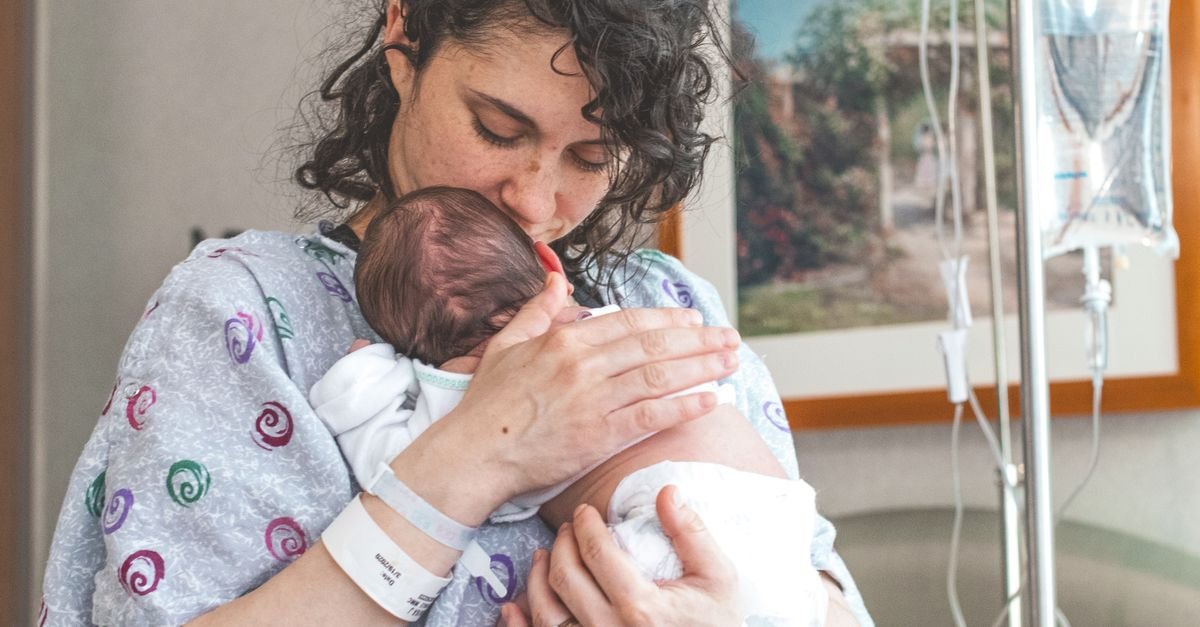
Weight loss after a C-section should generally wait until your doctor confirms you’re cleared for exercise and dietary changes, typically 6-8 weeks postpartum, and even then should proceed gradually — the body needs adequate calories and protein to heal a major surgical incision before any calorie deficit is introduced. Rushing this process, whether through diet or exercise, tends to slow healing and doesn’t actually accelerate long-term results.
I’m Yash Pathak, founder and lead trainer at FitStrot. I’ve supported a number of new mothers through post-C-section recovery, and the pattern that leads to good, lasting outcomes is consistent: patience in the first two months, then a structured, gradual plan once you’re cleared.
Why the Recovery Timeline Matters More Than the Weight
A C-section is major abdominal surgery involving cuts through skin, fat, muscle, and the uterine wall. Full internal healing takes considerably longer than the visible incision suggests — often 3 to 6 months for complete tissue recovery, even though external healing may look complete by week 6. Weight loss efforts introduced before your body has adequately healed can interfere with recovery, increase fatigue, and in some cases affect wound healing itself.
This is why the standard advice from most obstetricians is to focus on nutrition and rest in the first 6-8 weeks, rather than any structured weight-loss plan, regardless of how eager you might feel to return to pre-pregnancy shape.
What the First 6-8 Weeks Should Actually Focus On
Adequate protein for tissue repair. Protein is the primary building block for healing — dal, eggs, paneer, lean meat, and fish should be regular parts of your meals, not optional additions.
Iron replenishment. Blood loss during delivery, especially with a C-section, commonly leaves iron levels low, contributing to the fatigue many new mothers experience. Leafy greens, dal, and iron-rich foods, paired with vitamin C for better absorption, support recovery.
Sufficient total calories. This is not the time for a calorie deficit — your body needs energy for healing and, if breastfeeding, milk production. Under-eating during this window can slow recovery and reduce milk supply.
Hydration, particularly important if breastfeeding, where fluid needs increase measurably above pre-pregnancy levels.
A Typical Postpartum Timeline After a C-Section
Recovery timelines vary a great deal, and yours belongs to you and your doctor rather than to a chart. The phases below reflect the general pattern most obstetricians describe, and every stage assumes you have been examined and cleared before moving on.
| Phase (approximate) | Reasonable focus | Best avoided at this stage | Medical checkpoint |
|---|---|---|---|
| Week 0-2 | Rest, wound care, hydration, short gentle walks around the house as tolerated | Any deliberate calorie deficit, lifting anything heavier than your baby, stairs if painful | Follow your discharge instructions; report fever or wound changes immediately |
| Week 2-6 | Eating enough and eating well, gentle walking, breathing practice, sleep wherever you can find it | Structured exercise, crunches or planks, weight-loss targets | Attend the routine postnatal review |
| Week 6-8 | Your postnatal check; discussing with your doctor when activity can resume | Starting a plan before you have actually been cleared | Formal clearance appointment – the gateway to everything below |
| Week 8-12 (post-clearance) | Daily walking that builds gradually, a small deficit if your doctor and, if breastfeeding, your feeding pattern allow | Aggressive deficits, high-impact work, unsupervised deep core training | Ask specifically about diastasis recti before any core work |
| Month 3-6 | Progressive strength work, rebuilding core control from the deep layers outward | Comparing your pace with anyone else’s | Re-check in if you have pain, leaking or scar pulling |
| Month 6-12 | Fuller training, steady and sustainable fat loss | Treating month twelve as a deadline | Routine follow-up as advised |
The single non-negotiable in this table is the clearance appointment around week six to eight, because major abdominal surgery heals on its own schedule and not on ours. If your recovery has been slower, or you had complications, every row simply shifts later, and that is normal rather than a setback. Nothing here replaces your doctor’s advice about your own recovery.
Once You’re Medically Cleared: A Gradual Approach
After your doctor confirms you’re ready, weight loss can begin, but gradually — a modest calorie deficit of 300-400 calories (smaller than a typical adult target, especially if breastfeeding), continued attention to protein and iron, and activity that starts gently and builds over weeks, not days.
Diet: Continue protein-forward meals — moong dal chilla or eggs for breakfast, dal and vegetables with portioned rice or roti for lunch, a lighter protein-and-vegetable dinner. The structure doesn’t need to be complicated; consistency matters more than precision at this stage.
Movement: Gentle walking is typically the first activity cleared, gradually increasing duration as strength and comfort improve. More structured exercise, particularly anything involving the core, needs a longer runway.
Why Core Exercises Need Extra Caution
The abdominal muscles and the incision site require more healing time than other areas, and returning to core-focused exercise too early risks complications, including diastasis recti (abdominal separation) not resolving properly, or in rarer cases, incisional hernia. Most guidance suggests waiting until at least 3 months postpartum, and ideally after clearance from a doctor or a postpartum-specialised physiotherapist, before resuming dedicated ab work.
Movement by Recovery Stage: Generally Suitable and Generally Too Soon
This is a rough guide to sequencing, not a prescription, and it assumes clearance has already been given for anything beyond week six. If a movement causes pain, dragging at the scar, or any leaking, that movement is not ready for you yet.
| Stage | Usually appropriate | Usually too soon |
|---|---|---|
| Weeks 0-6, pre-clearance | Short slow walks, gentle diaphragmatic breathing, comfortable posture changes | Crunches, sit-ups, planks, running, any lifting beyond your baby |
| Weeks 6-10, after clearance | Longer walks, gentle deep-core breathing work, light bodyweight movement such as sit-to-stand | Loaded abdominal work, jumping, heavy lifting |
| Months 3-4 | Resistance bands, light dumbbells, glute and back strengthening, guided core progressions | Full sit-ups and leg raises, especially with any abdominal doming |
| Months 4-6 | Progressive strength training, low-impact cardio, controlled core loading | High-impact classes if you have leaking, doming or pelvic heaviness |
| Beyond 6 months | Most training, built up gradually and guided by symptoms | Anything that still causes pain, whatever the calendar says |
The pattern is that breath and deep core come before visible abdominal work, and strength comes before impact. Skipping ahead is where I see women run into scar pain and pelvic floor problems months later. Please treat your doctor’s or physiotherapist’s guidance as final wherever it differs from a general table like this one.
Breastfeeding and Weight Loss Timing
If you’re breastfeeding, calorie needs increase by roughly 300-500 calories above pre-pregnancy maintenance. A weight-loss deficit layered on top of this needs to stay modest — aggressive restriction during breastfeeding can reduce milk supply and leave you more fatigued during an already demanding period. Weight loss will typically be slower during breastfeeding than it might be otherwise, and that’s a reasonable trade-off for supporting your baby’s nutrition.
Setting Realistic Expectations
Many new mothers compare their timeline to unrealistic “bounce back” narratives that don’t reflect typical recovery. A more grounded expectation: gradual weight loss beginning around 2-3 months postpartum (once cleared), continuing over 6-12 months as your body fully heals and adjusts, rather than any dramatic short-term transformation.
Related Guidance for This Stage
Our diet chart for weight loss after C-section guide goes deeper into the specific nutrition plan for this period, and our rapid weight loss after pregnancy guide explains why a slower approach outperforms rushed timelines for most new mothers.
Why Guided Support Matters in This Period
Postpartum and post-surgical recovery needs careful, individualised pacing — too little activity delays recovery of strength and fitness, too much too soon risks complications. An online weight loss trainer experienced with postpartum clients can build a plan that respects your specific healing timeline and adjusts as your doctor clears further activity.
Balancing Recovery Needs With Weight Loss Goals
The postpartum period asks your body to do two things that can pull in different directions: recover from childbirth (which needs adequate nutrition, not restriction) and, if you’re breastfeeding, produce milk (which requires additional calories, typically 300-500 above your pre-pregnancy maintenance). Pursuing an aggressive calorie deficit during this window risks both slower healing and reduced milk supply, which is why most guidance recommends waiting until your doctor clears you, and approaching weight loss gradually and gently even after that clearance, particularly in the first 3-6 months postpartum.
Sleep deprivation, common with a newborn, also affects hunger hormones and cortisol in ways that can work against weight loss efforts regardless of diet quality — this is a normal part of the postpartum period, not a sign anything is being done wrong, and it typically eases as sleep patterns stabilize.
Signs That Mean Stop and Contact Your Doctor
If any of these appear, pause whatever you are doing and speak to your doctor rather than waiting for your next scheduled appointment.
- Redness, swelling, warmth, or any discharge or foul smell from the incision.
- Fever or chills.
- Heavy bleeding, passing large clots, or bleeding that suddenly increases after it had settled.
- Sharp, pulling or worsening pain at the scar during or after activity.
- A visible ridge or doming down the centre of your abdomen when you sit up or strain.
- Leaking urine, pelvic heaviness or a dragging sensation.
- Pain, swelling or redness in one calf, or breathlessness and chest pain, which need urgent attention.
- Dizziness, fainting or a racing heart during light activity.
- A noticeable drop in milk supply if you are breastfeeding.
- Persistent low mood, hopelessness, or thoughts of harming yourself or your baby, which deserve immediate support and are never something to push through alone.
How Sleep Deprivation Affects Weight Loss in the Postpartum Months
Fragmented sleep from night feeds is one of the most underestimated factors in postpartum weight loss, and it deserves real attention rather than being treated as just an unavoidable side effect of having a newborn. Chronically interrupted sleep raises cortisol and shifts the hunger hormones ghrelin and leptin in a direction that increases appetite, particularly for quick-energy foods, at exactly the time your body is already under significant physical demand from recovery and, if applicable, breastfeeding.
This means weight loss genuinely slows down during the months of heaviest sleep disruption, and that’s not a sign that your diet or effort is failing — it’s a predictable physiological response that most postpartum weight loss content doesn’t mention. Expecting the same rate of progress you’d see with full sleep is setting yourself up for unnecessary frustration during a period that’s already demanding.
Practically, this is a household-logistics problem as much as a personal one. Napping when the baby naps, even in short stretches, splitting night duties with a partner or family member so you get at least one uninterrupted four-to-five-hour block, and not scheduling anything unnecessary during that protected sleep window all make a real difference to how your body handles both recovery and weight.
If sleep deprivation is accompanied by persistent low mood, anxiety, or feeling unable to cope, that goes beyond what diet and rest logistics can fix on their own — postpartum depression and anxiety are common and treatable, and this is a conversation to have with your doctor rather than something to push through alone.

Checking for Diastasis Recti Before You Resume Core Work
Diastasis recti — a separation of the abdominal muscles along the midline that happens during pregnancy — is extremely common after a C-section and often goes unrecognized, yet it directly affects when and how you should resume core exercises. Many women return to planks or crunches assuming standard recovery timelines apply, without knowing whether this separation is still present.
A simple self-check, best done lying on your back with knees bent, is to place two fingers just above or below your navel and gently lift your head and shoulders slightly off the ground, feeling for a gap or soft depression between the abdominal muscles. This isn’t a substitute for a proper assessment — a doctor or postpartum physiotherapist can measure the width and depth of any separation accurately and tell you whether it’s resolving on its own or needs targeted rehabilitation.
Doing standard crunches, sit-ups, or front planks before this separation has sufficiently closed can actually worsen it, and the tell-tale sign to watch for is a visible doming or bulging along the midline of your stomach when you engage your core — if you see this, that’s a signal to stop that exercise immediately rather than push through it.
The safer path, especially in the early months, is working with a postpartum physiotherapist on pelvic floor activation and gentle transverse abdominis engagement — the deep core muscle that acts like a natural corset — before progressing to the kind of core training most fitness content assumes you can jump straight into. This timeline varies a great deal from person to person, and getting clearance from your doctor before resuming any core-focused training is worth the wait.
Managing Weight Loss Goals Alongside Postpartum Mood Changes and Emotional Eating
Something I don’t see addressed enough in weight loss content aimed at new mothers is how much postpartum mood, from ordinary exhaustion-driven low days to more significant postpartum depression or anxiety, shapes eating behaviour in this period, often more than any diet chart does. It’s extremely common for new mothers recovering from a C-section to reach for food, particularly sugary or fried comfort foods, not out of physical hunger but as one of the few immediately accessible sources of comfort during a period that can feel isolating, sleep-deprived, and overwhelming. If this describes you, I want to be direct about something important: this is not a willpower failure, and no diet chart is designed to fix it. If low mood, persistent sadness, anxiety, or a loss of interest in things you’d normally enjoy is showing up alongside your eating patterns, please talk to your doctor or a mental health professional first, since postpartum depression is common, treatable, and takes priority over any weight loss goal.
Separate from clinical postpartum depression, ordinary emotional eating in the newborn months is worth naming honestly instead of pretending it doesn’t happen. Grabbing biscuits at 2 AM during a feed, ordering in because cooking feels impossible on four hours of broken sleep, or finishing your toddler’s leftover food out of sheer exhaustion rather than hunger, these are near-universal experiences among the new mothers I’ve coached, not personal failings. Judging yourself for this tends to make it worse, since the guilt itself becomes another stressor that emotional eating is often used to cope with, creating a cycle that’s hard to break through restriction alone.
What actually helps, based on what’s worked for clients navigating this, is separating the two problems instead of trying to solve them with the same tool. For the exhaustion-driven eating, having genuinely easy, reasonably healthy options within reach, cut fruit, roasted makhana, boiled eggs, matters more than willpower, because decision fatigue at 2 AM is real and you will default to whatever’s easiest regardless of what you intended earlier that day. For the comfort or stress-driven eating, building in small, non-food sources of comfort, five minutes on the balcony with tea, a call to a friend, even just sitting quietly while someone else holds the baby, gives you an actual alternative rather than asking you to simply resist the urge with nothing to replace it.
I’d also gently push back on the idea that weight loss should be a priority at all if your mental health is struggling in this period. Postpartum recovery, both physical and emotional, has to come first, and I’ve seen far better long-term outcomes, both for weight and for wellbeing, in mothers who addressed their mood and support systems before pushing hard on diet and exercise, compared to those who tried to power through with a strict plan while genuinely unwell. The weight loss will still be there to work on once you’re sleeping better, feeling more like yourself, and have the bandwidth to actually follow a plan.
Frequently Asked Questions
How does weight loss after a C-section work?
It works by first prioritising healing and adequate nutrition for 6-8 weeks, then introducing a gradual calorie deficit and gentle exercise once medically cleared — rushing this process typically slows both healing and long-term results.
Is weight loss safe soon after a C-section?
Not immediately — most doctors recommend waiting at least 6-8 weeks before any structured weight-loss plan, and core-specific exercise typically needs 3+ months. Always confirm timing with your doctor.
How long does it take to lose weight after a C-section?
This varies significantly, but a realistic timeline is gradual loss over 6-12 months following medical clearance, especially if breastfeeding, rather than a rapid short-term change.
Can breastfeeding mothers safely lose weight after a C-section?
Yes, but the calorie deficit should be modest to protect milk supply and support your own recovery — aggressive restriction during breastfeeding is not recommended.
What exercises are safe after a C-section, and when?
Gentle walking is typically cleared first, progressing gradually. Core-specific exercises generally need to wait until at least 3 months postpartum and ideally a doctor or postpartum physiotherapist’s clearance.
Does a C-section make weight loss harder than a vaginal delivery?
The surgical recovery adds a longer initial waiting period before structured activity can begin, but the underlying weight-loss principles (calorie deficit, protein, consistent movement) are the same once you’re cleared.
Ready for a Recovery-First Plan Built for This Stage?
A FitStrot online weight loss trainer builds a plan that respects your C-section recovery timeline, adjusting as your doctor clears further activity and your body is ready.