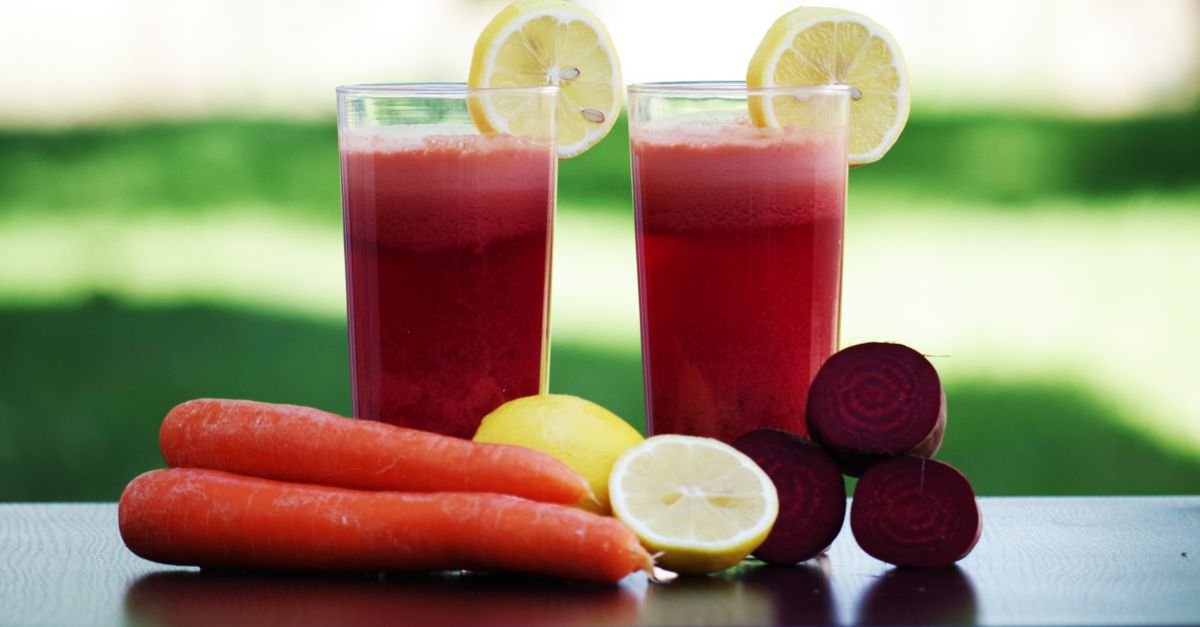
Certain drinks — jeera water, warm lemon water, green tea, and vegetable-based detox waters — can support weight loss modestly by improving hydration, replacing higher-calorie beverages, and mildly boosting metabolism, but no drink burns fat on its own; these work as small supporting pieces alongside a calorie-appropriate diet, not as a substitute for one.
I’m Yash Pathak, founder and lead trainer at FitStrot. “Weight loss drinks” get marketed with big promises — this guide covers what these drinks realistically do, and just as importantly, what they don’t.
What These Drinks Realistically Do
None of these drinks contain magic fat-burning properties. Their real value comes from three places: they’re low or zero calorie (so replacing sugary drinks with them creates a calorie deficit contribution), some have mild appetite or digestion benefits, and staying well hydrated generally supports better weight-management outcomes. Understanding this framing helps set realistic expectations — these are useful supporting habits, not standalone weight-loss solutions.
Effective Quick Weight-Loss Drinks
Jeera (cumin) water. Soak a teaspoon of cumin seeds overnight, boil briefly, and drink warm in the morning. Traditionally used for digestion support; the main weight-loss benefit is likely the good hydration habit and low-calorie substitution for other morning beverages.
Warm lemon water. A glass of warm water with fresh lemon juice, taken in the morning. Provides vitamin C and supports hydration; while it doesn’t have unique fat-burning properties, it’s a genuinely good zero-calorie way to start the day.
Green tea. Contains catechins and a modest amount of caffeine, both mildly associated with metabolism support in research, though the effect size is small. More significantly useful as a zero-calorie replacement for sugary beverages.
Ajwain (carom seed) water. Similar to jeera water in preparation and traditional use — primarily valuable for digestion support and as a low-calorie beverage habit.
Cucumber-mint infused water. Cucumber and mint steeped in water overnight, providing flavor without calories — genuinely useful for people who struggle with plain water intake and end up reaching for sugary alternatives instead.
Apple cider vinegar water. Diluted ACV in water, taken before meals — some research suggests mild appetite and blood sugar benefits, though effects are modest and ACV should always be diluted to avoid irritating tooth enamel or the digestive tract.
What These Drinks Don’t Do
They don’t burn significant fat on their own, they don’t work without an appropriate diet and activity, and they don’t replace meals in a way that supports sustainable weight loss (drinking your calories via smoothies or juice instead of eating whole foods generally reduces satiety and fibre intake). Approaching any of these drinks as a standalone weight-loss solution — rather than a modest supporting habit — sets you up for disappointment.
How to Use These Drinks Effectively
Replace, don’t add. Use these to replace sugary drinks, packaged juices, or excess tea/coffee with added sugar — this is where the actual calorie-deficit benefit comes from.
Stay consistent, not excessive. One or two of these drinks daily, consistently, works better than drinking large quantities hoping for faster results — excessive intake of some (like ACV) can cause digestive irritation.
Pair with an appropriate diet. These drinks support, but don’t replace, the calorie deficit and nutrition quality that actually drives weight loss.
A Simple Daily Drink Routine
Morning: warm lemon water or jeera water. Through the day: cucumber-mint infused water instead of plain water if that helps you drink more. Afternoon: green tea instead of a sugary snack or drink. This routine costs nothing extra in effort but replaces what would otherwise likely be higher-calorie beverage choices. Our detox water for weight loss and fat cutter drink guides cover specific recipes and related drink strategies in more depth.
Why a Complete Plan Matters More Than Any Single Drink
The consistent finding across nutrition research is that no drink, however well-marketed, replaces the fundamentals of an appropriate calorie deficit, adequate protein, and regular activity. An online weight loss trainer builds a complete plan where these drinks play their genuinely useful supporting role, rather than being oversold as the main strategy.
Timing These Drinks for Maximum Benefit
Morning drinks (jeera water, lemon water) work well on an empty stomach, supporting digestion before your first meal. Drinks meant to replace a sugary craving (like infused water) work best kept accessible throughout the day, since availability in the moment matters more for this substitution effect than any specific timing. Pre-meal drinks (diluted apple cider vinegar) are typically most useful 15-20 minutes before a meal, allowing enough time for the modest appetite and blood sugar benefit to take effect before you start eating.
What to Avoid Combining These Drinks With
Adding sugar, honey, or artificial sweeteners defeats much of the low-calorie benefit these drinks are meant to provide — if flavor is a barrier, a small amount of natural sweetness (a few mint leaves, a slice of citrus) achieves palatability without meaningfully adding calories. Similarly, pairing these drinks with a large processed snack undermines their purpose as part of an overall calorie-conscious routine, since the drink’s benefit is easily outweighed by what you’re eating alongside it.
Common Mistakes That Turn a Healthy Drink Into a Calorie Trap
The biggest mistake I see with these drinks is oversweetening them and then mentally filing them under “healthy” regardless. Adding two spoons of honey to warm lemon water, or a generous drizzle to green tea, can quietly add 60-120 calories to a drink that was supposed to be near-zero calorie. Honey isn’t harmful in moderation, but it’s still sugar, roughly 60 calories per tablespoon, and I’ve had clients genuinely stall on their progress because their “healthy morning drink” was carrying more calories than they realized.
Point: the second mistake is buying pre-packaged “detox” or “fat-burner” drink mixes instead of making these simple drinks fresh at home. Many of these commercial products are loaded with added sugar, artificial flavoring, or excessive caffeine to create a placebo sensation of “working,” and they cost far more than the raw ingredients — jeera, ajwain, lemon, ginger — that do the same job at home for a fraction of the price and with full control over what’s actually in the glass.
The third mistake is drinking these on an already irritated stomach. Concentrated lemon water, apple cider vinegar drinks, or strong black coffee on an empty stomach can trigger acidity or gastric discomfort in people prone to it, which is fairly common given how much spicy, oily food is part of the regular Indian diet. If you notice a burning sensation after your morning drink, diluting it further or having a small bite beforehand solves this without needing to give up the drink entirely.
Adapting These Drinks Across Seasons
These drinks don’t need to stay identical year-round, and adjusting them seasonally actually makes them easier to stick with. In summer, when the priority is often managing appetite and staying hydrated through heat, I lean clients toward cooling options: chilled cucumber-mint water, buttermilk (chaas) with roasted jeera and a pinch of black salt, or plain jeera water served cold rather than hot. These support digestion and hydration without adding the internal heat that a strong ginger or black pepper drink can create in peak summer.
Point: in winter, warming drinks tend to be both more comfortable and more metabolically useful, since digestion often slows slightly in cold weather. Warm water with ajwain and a pinch of black salt, ginger-tulsi kadha without sugar, or warm lemon water sipped slowly work well here, and the warmth itself can genuinely improve digestion during a season when richer, heavier food is more frequent around festivals.
Monsoon deserves its own note, since digestion tends to be more sensitive during this season and infections are more common. I generally recommend sticking to boiled and cooled water as the base for any of these drinks during monsoon, being extra cautious with anything involving raw, unwashed produce, and leaning on ginger and tulsi-based warm drinks, which support digestion during a season when the gut is often under more stress than usual.
Store-Bought vs Homemade: What You’re Actually Paying For in Packaged “Detox” Drinks
Walk into any supermarket or D-Mart today and you’ll find an entire refrigerated section dedicated to bottled detox waters, “ABC juice,” cold-pressed green blends, and flavoured green tea drinks, often priced between 80 and 150 rupees for a 250-300ml bottle. Clients frequently ask me whether these are a reasonable shortcut to the homemade drinks I recommend, given how convenient they look sitting there ready to drink. The honest answer is that convenience is genuinely what you’re paying for, not necessarily better results, and sometimes you’re paying for the opposite.
When I sit down with a client and actually read the ingredient panel on these bottles, the picture usually looks different from the marketing. Many bottled “detox” or fruit-vegetable juices list added sugar, concentrate, or preservatives within the first few ingredients, and the actual jeera, methi, ginger, or amla content that gives the drink its supposed benefit is often present only in trace amounts, sometimes just as flavouring rather than a meaningful active dose. A bottle marketed around turmeric or ginger detox can carry 15-20 grams of added sugar per serving, which quietly undoes much of the intended benefit before you’ve even finished the bottle.
Homemade versions win on both cost and control. A litre of jeera water made from a teaspoon of cumin seeds boiled and cooled costs a few rupees and contains exactly what you put in it, nothing else. The same goes for methi water soaked overnight or a simple lemon-ginger warm water mix in the morning. Across a month, a client making their own drinks daily typically spends under 200 rupees on ingredients compared to 2000-3000 rupees buying bottled equivalents at supermarket pricing, with zero added sugar or preservatives to work around.
None of this means bottled drinks are always the wrong choice. On a travel day, during a busy work trip, or when you simply don’t have access to a kitchen, a genuinely low-sugar bottled option (check the label, under 5g sugar per serving) is a reasonable compromise over skipping the habit entirely or reaching for a soft drink instead. The point isn’t to avoid packaged drinks forever, it’s to stop assuming the bottle on the supermarket shelf is doing the same job as the one you’d make in your own kitchen, because the label almost always tells you it isn’t.
Frequently Asked Questions
Can weight-loss drinks alone help me lose weight without dieting?
No — these drinks provide modest supporting benefits (hydration, low-calorie substitution, mild digestion or metabolism support) but don’t replace the need for an appropriate calorie deficit and diet quality.
Which weight-loss drink works best?
No single drink is clearly superior — jeera water, lemon water, and green tea all offer similar modest benefits, mainly through replacing higher-calorie beverages and supporting hydration.
Is it safe to drink apple cider vinegar water daily?
Yes, in moderation and properly diluted — undiluted or excessive ACV can irritate tooth enamel and the digestive tract, so it should always be mixed well into water.
Can beginners start with these weight-loss drinks?
Yes, they’re a low-effort, accessible starting point — but should be understood as a small supporting habit alongside diet and activity changes, not a standalone weight-loss strategy.
Ready to Build These Drinks Into a Complete Plan?
A FitStrot online weight loss trainer builds a complete diet and activity plan where supporting habits like these drinks contribute to real, sustainable results.