Zumba teaches genuine rhythm, coordination, and a working knowledge of basic dance steps drawn from salsa, merengue, reggaeton, and cumbia, but it isn’t designed as technical dance training. Zumba classes repeat steps enough that you’ll pick up patterns quickly, and it functions as both dance and exercise simultaneously, but developing professional or technically precise dancing skill requires supplementing Zumba with dedicated dance classes built specifically for that purpose.
Here’s exactly what dance-related skills Zumba does build, where its limits are, and how to go further if technical dance skill is your specific goal.
What Zumba Genuinely Teaches
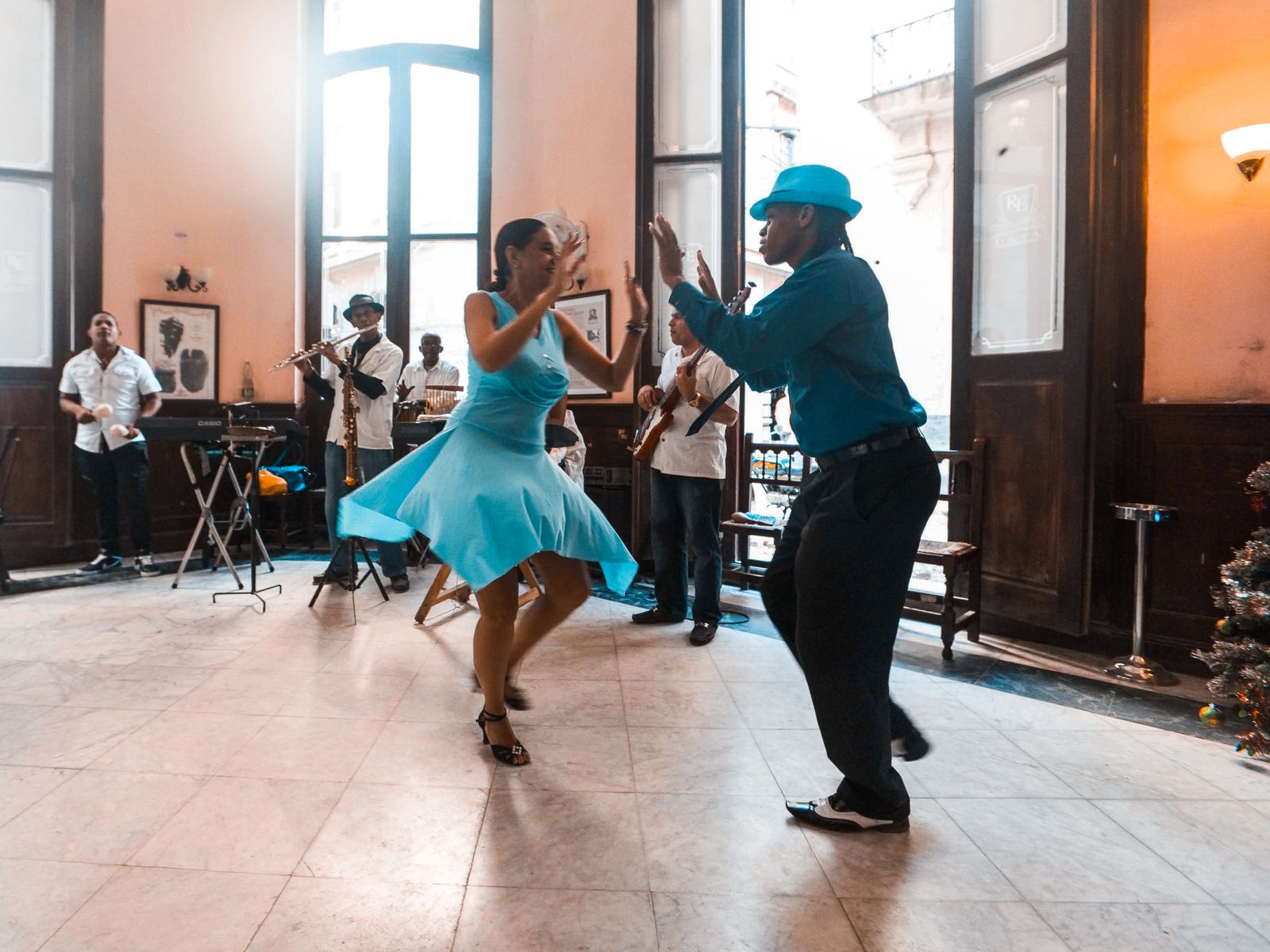
Zumba builds a real, functional sense of rhythm, the ability to feel and move naturally with music across several distinct Latin dance styles, something that develops through repeated exposure to the same core steps across many classes. It also builds genuine coordination, syncing arm and leg movements together, a skill that transfers usefully beyond the dance floor into general body awareness and balance. You’ll also come away with working familiarity of foundational steps like the merengue march and basic salsa step, genuinely useful building blocks if you ever want to explore social or technical dance further down the line.
Why Zumba Isn’t Built as Technical Dance Instruction
Zumba was created by a dancer, but its purpose from the start was making exercise more enjoyable and accessible, not teaching precise, technically correct dance execution. Classes prioritize repetition, energy, and fitness benefit over the detailed technique correction, posture refinement, and precision drilling that defines dedicated dance instruction. This isn’t a shortcoming, it’s a deliberate design choice that keeps the format accessible to complete beginners with zero dance background, which would be considerably harder to maintain with a stricter technical focus.
How This Compares to Taking Actual Dance Classes
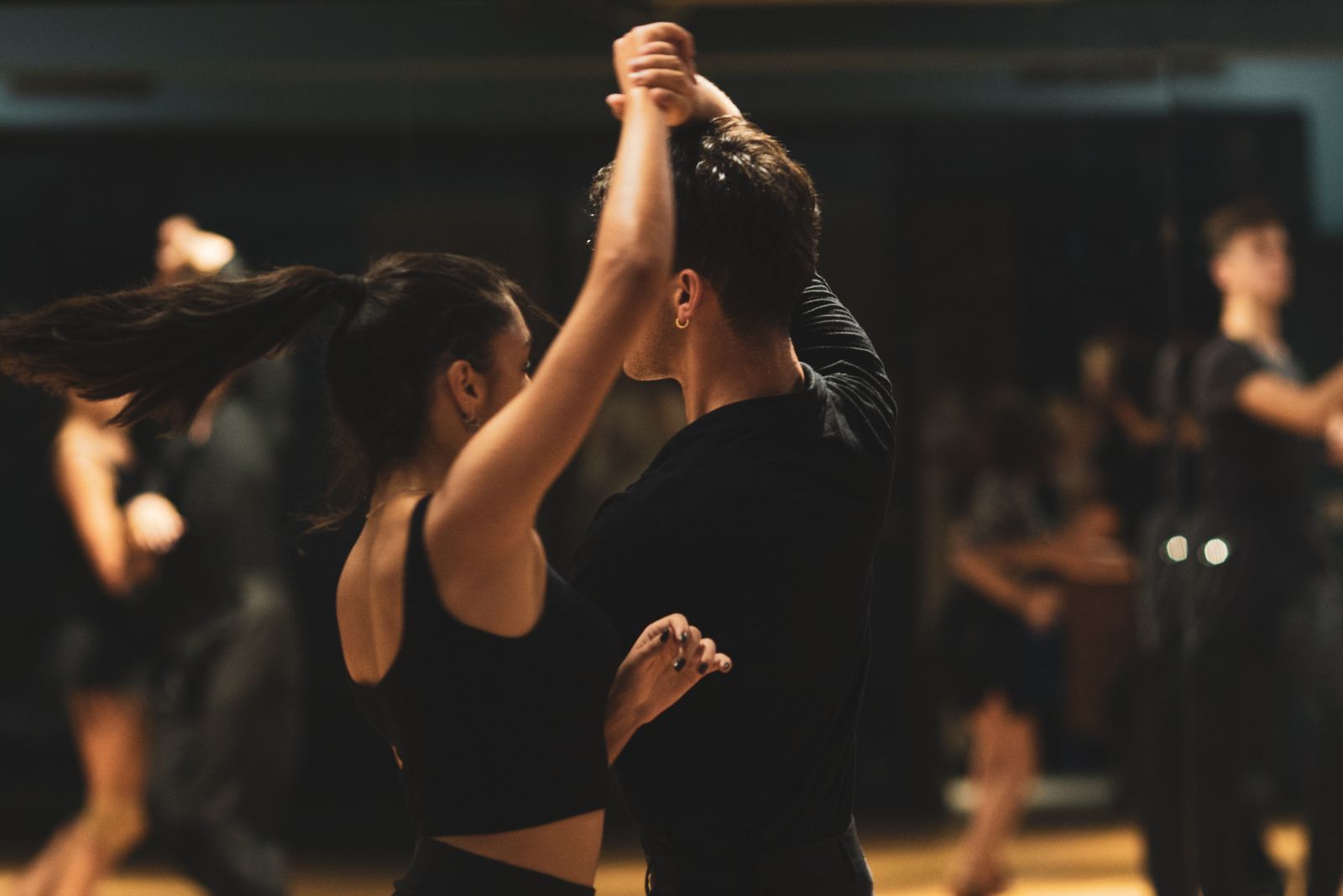
A dedicated salsa or Latin dance class, for comparison, would spend considerably more time on partner work, precise footwork technique, and styling details that Zumba’s fitness-first format simply doesn’t prioritize. If your specific goal is becoming a genuinely skilled dancer in a particular style, supplementing Zumba with actual technique-focused classes addresses this gap directly, since Zumba alone builds a real foundation but stops short of refined technical execution.
Why This Foundation Still Has Real Value
Even without technical precision, the rhythm and coordination Zumba builds gives you a genuinely useful head start if you do decide to pursue more formal dance instruction later, arriving with existing comfort moving to Latin rhythms rather than starting from complete scratch. Our guide to Zumba rhythms explained covers the specific styles you’ll build familiarity with through consistent practice.
Building Dance Skill Faster Within Zumba Itself
If getting more out of Zumba’s dance element specifically is your goal, without necessarily switching to dedicated dance classes, focusing on the beat first rather than memorizing individual steps helps you internalize rhythm more naturally. Our guide to how to learn Zumba fast covers additional strategies for building coordination and rhythm more quickly within the Zumba format itself.
Does Zumba Teach You to Dance: Quick Facts
- Focus: Fitness first, technique second
- Skills gained: Rhythm awareness, coordination, basic step patterns
- Not equivalent to: Formal salsa, merengue, or ballroom instruction
- Good starting point for: Building comfort with movement before formal dance classes
Frequently Asked Questions About Zumba and Dance Skill
Can I become a good dancer just from doing Zumba?
Zumba builds genuine rhythm, coordination, and familiarity with basic steps, but developing polished, technical dance skill in a specific style generally requires supplementing with dedicated dance instruction built for that purpose.
Is Zumba considered real dancing or just exercise with music?
It’s genuinely both simultaneously. Zumba incorporates real dance movements and choreography from styles like salsa and merengue, while being structured primarily as a fitness format rather than technical dance training.
Will Zumba help me if I want to take salsa classes later?
Yes, meaningfully. The rhythm, coordination, and basic step familiarity Zumba builds gives you a genuine head start compared to starting salsa instruction with zero prior exposure to the style’s underlying movement patterns.
Why doesn’t Zumba focus more on dance technique?
Zumba was deliberately designed to prioritize accessibility and enjoyment over technical precision, keeping the format approachable for complete beginners without dance backgrounds, which is part of what makes it so widely accessible.
How can I get better at the dance side of Zumba specifically?
Focusing on feeling the beat and rhythm before worrying about exact step precision, along with consistent, frequent practice, helps build genuine coordination and rhythm skill within the format over time.
Ready to Build Your Own Rhythm and Coordination?
Whether or not technical dance training is your eventual goal, Zumba builds a genuinely useful foundation. Explore FitStrot’s Online Zumba Classes and start building it today.
Want to progress faster? Check out our guide to how to learn Zumba fast, explore Zumba rhythms explained, or head to Online Zumba Classes to get started.